In this section, we look at various business processes and how they impact the digital experience.
Digital Experience | Pillar 2 Phases | Lesson 3 Processes
Follow Me Elsewhere:
Play Video
Play Video
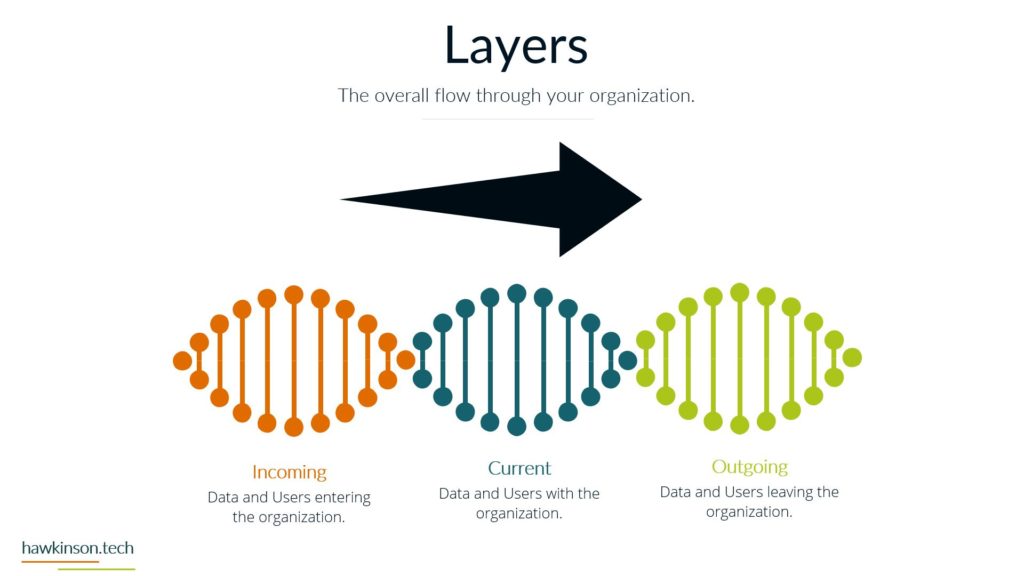
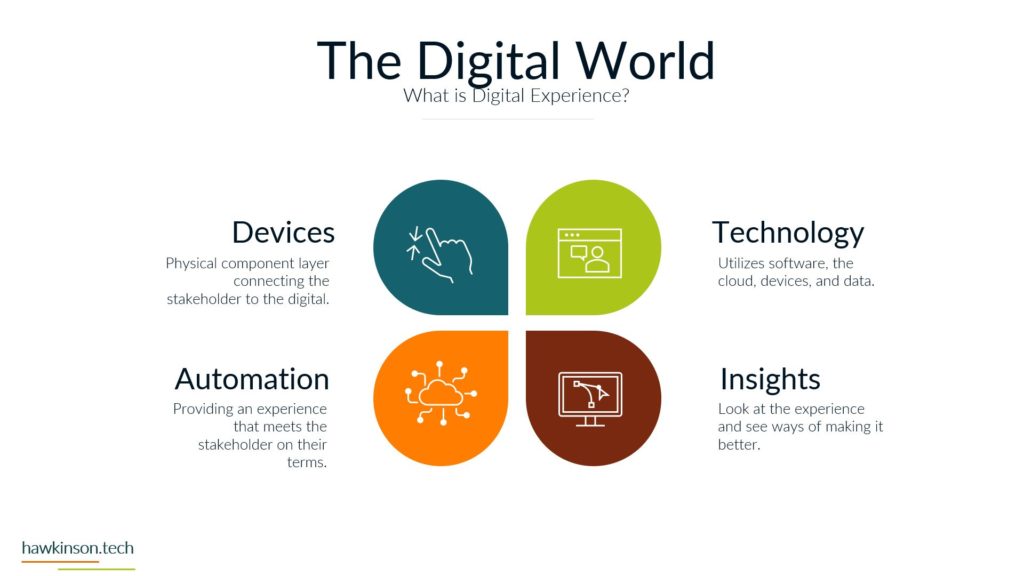
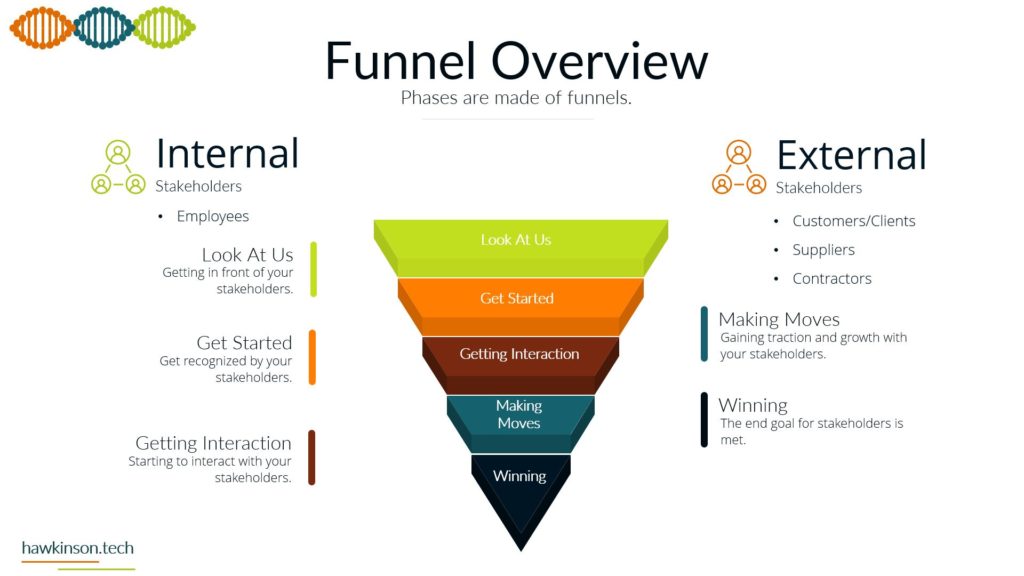
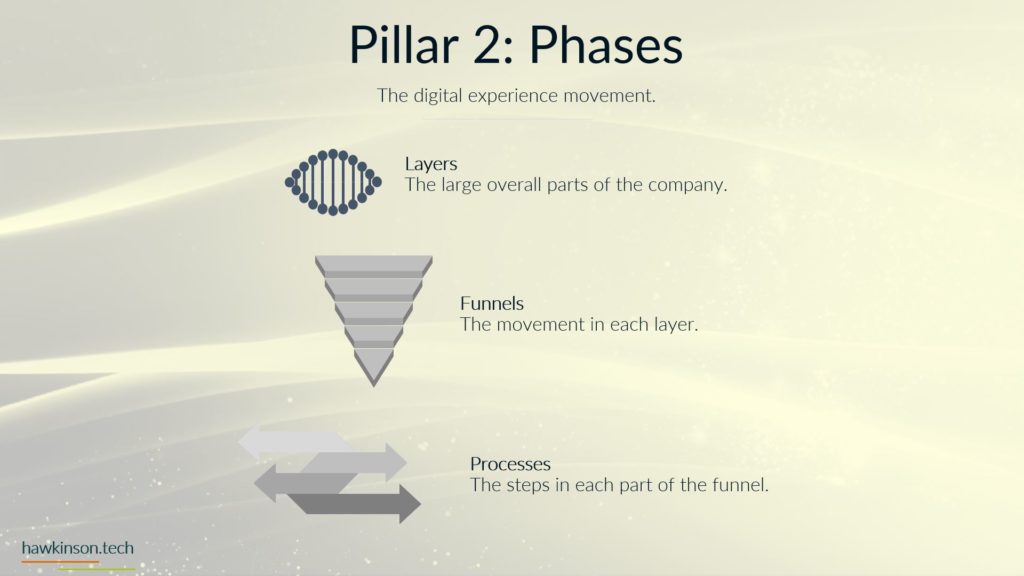
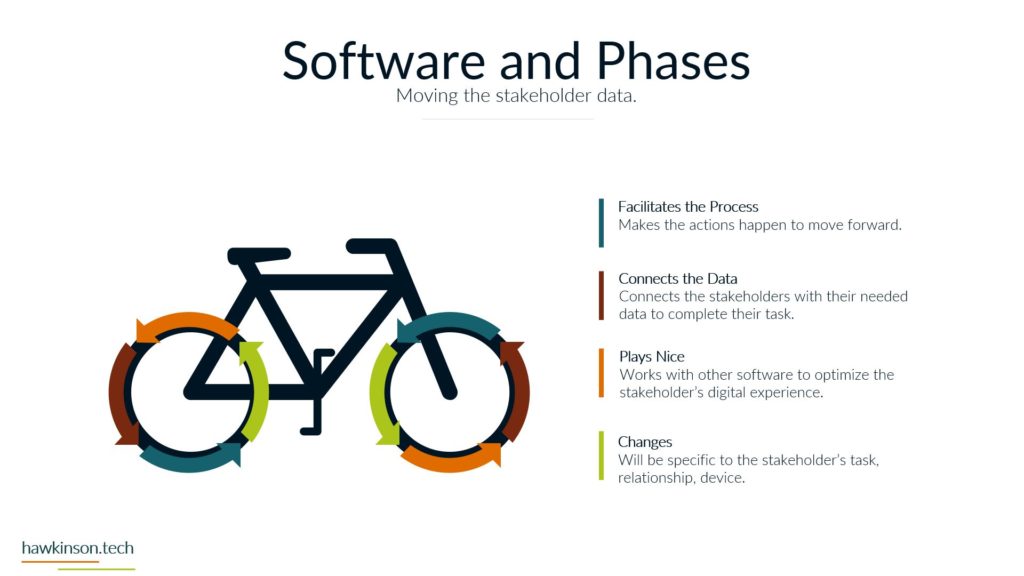
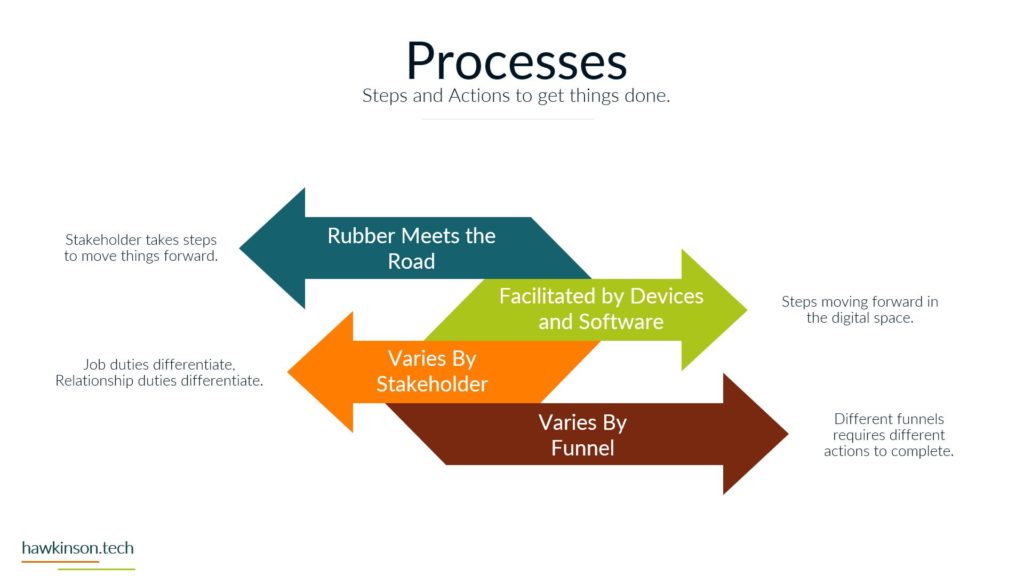
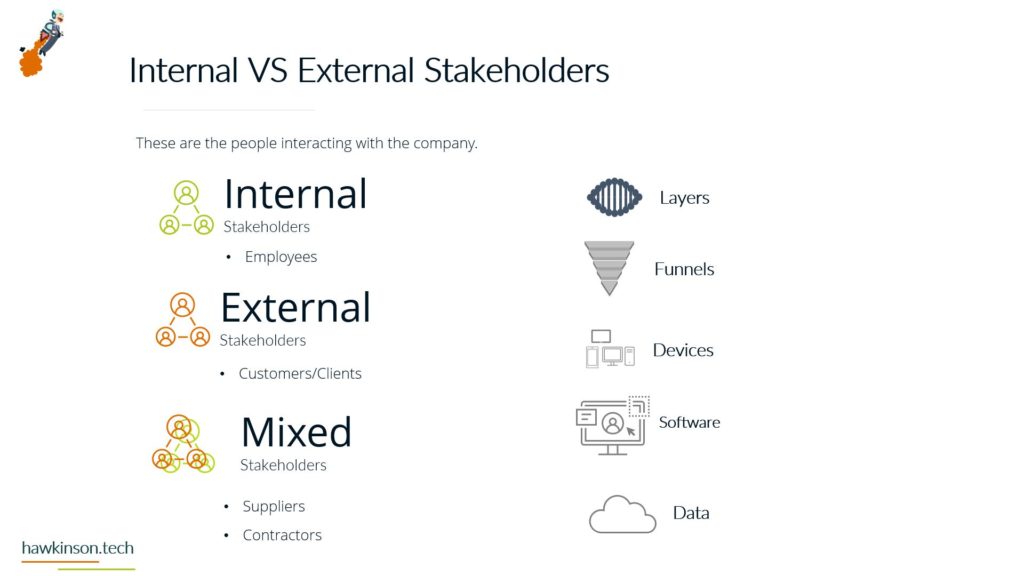
So let’s continue our conversation on the phases and funnels and break those down into the processes themselves. So in each of the funnels we had different steps and those steps can then be further broken down into a process and it’s in these processes where effectively the rubber meets the road. This is where the stakeholders. Are actually taking action. So we have internal stakeholders that might be processing something to help the company move forward. Likewise, we might have external stakeholders that need to engage in some behavior in order to move forward with the company. But effectively the process is allowing us to make those steps happen and outline what needs to take place in order for that process to be completed in a digital world. And that process is going to be facilitated and tied into devices and software. And essentially it’s those components, the devices and software that will allow the process to move forward in a digital space. It’s going to be tied into the data. And then the data is what we’re going to have on the back end that will allow us to kind of look at the process and what’s happening and then the software and the device provide a nice way to interact with that medium. The processes are going to vary based on the stakeholder. For example, even internal stakeholders with different jobs will have different processes. So if we look at a sales process for example, or a sales funnel, the sales Rep is going to have one set of steps and processes that they need to take to work with that client in order to make the purchase happen and to make things move forward once that process. Takes place, then there’s likely other stakeholders, say warehouse workers or inventory workers that then need to go and compile all of the different components in order to fulfill that purchase. And so we have one process leading into another one where we have different stakeholders participating in different processes in order to help the company reach the same goal, in this case a successful sale. Likewise, we can also have the processes. Differentiate based on the funnel. So for example, as we saw before, internal and external stakeholders have different funnels that they’re going to work through as they work with the company, those different funnels that have different steps and actions that need to be completed. And so just by the nature of the funnel and its position with the company is going to impact how it is that people take steps to move forward with that. So essentially, the processes are what we need in the funnels in order to make the steps happen to make the stakeholders move from point A to point B. They work through the layers of the company, then through the steps in the funnel and then through each of the different processes in those steps in order to reach an end goal. So next we’ll talk about how devices can also play into these different phases.
Related Content

More Content

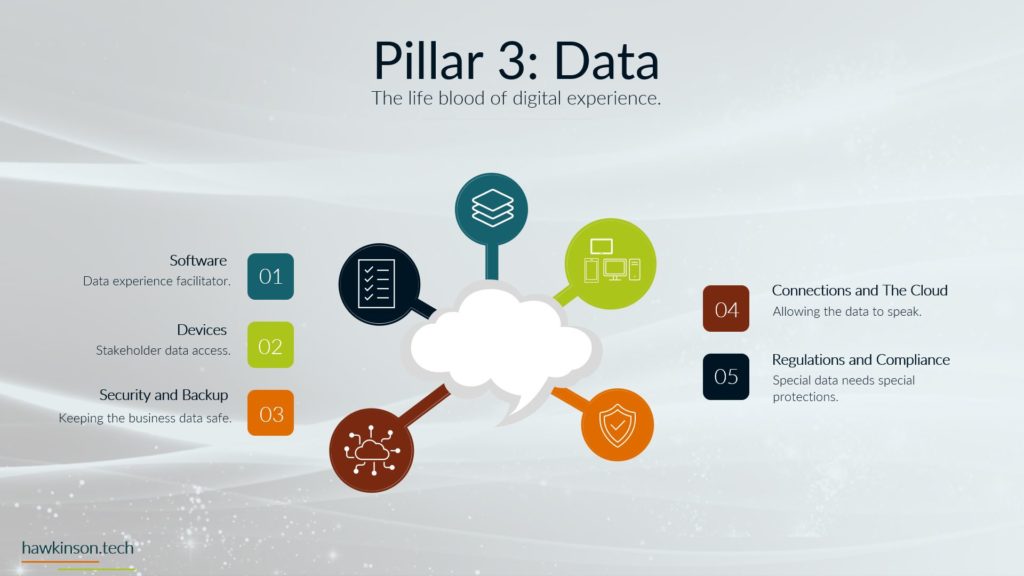
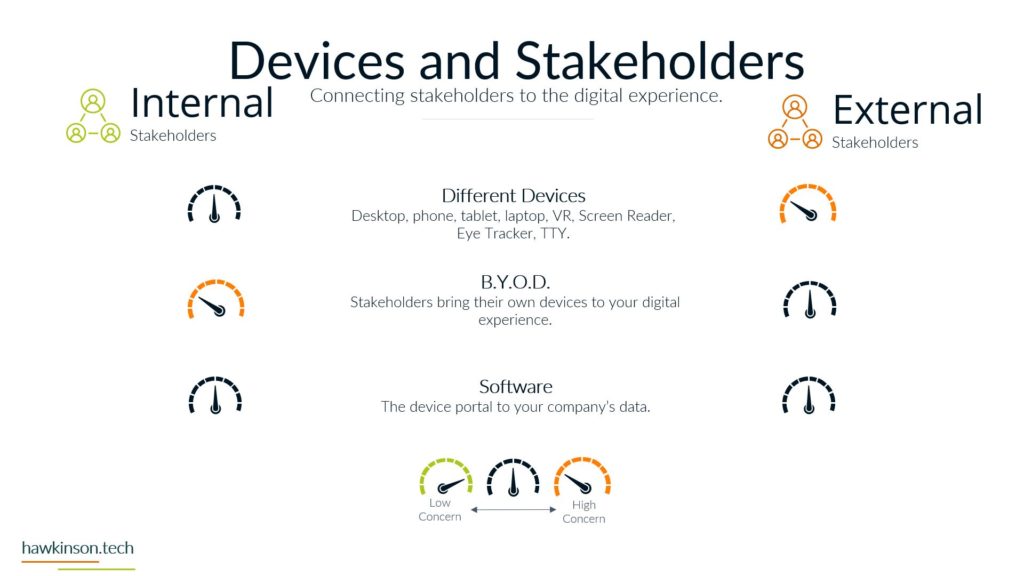
Explore the pivotal role of devices in shaping digital experience excellence in this comprehensive article. Uncover how devices act as gateways, enabling seamless interactions and fostering strong relationships with stakeholders. Understand the interdependence of devices and

Creating a memorable personal brand is not something that happens overnight, but the work you put in building your personal brand can help you reach great career or business goals especially in a busy digital world.
Landing Page Builder is a powerful drag-and-drop web page creator designed to help website owners quickly create attractive and effective landing pages for their online businesses. It provides users an easy-to-use interface to construct compelling visuals,


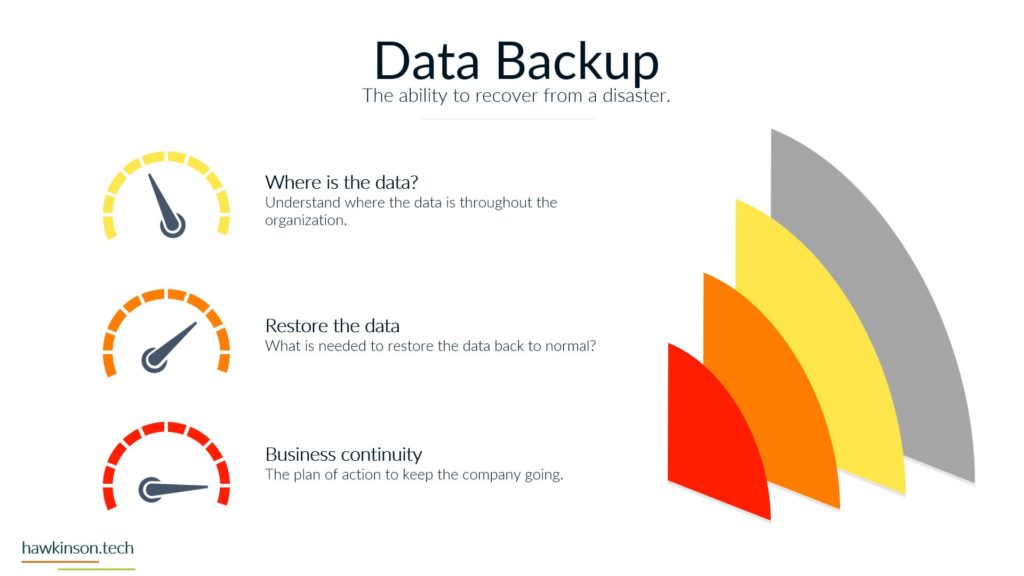
Discover the crucial significance of data backup in shaping a seamless and secure digital experience in today’s rapidly evolving business landscape. Learn how understanding the whereabouts of your data, evaluating data restoration procedures, and ensuring business

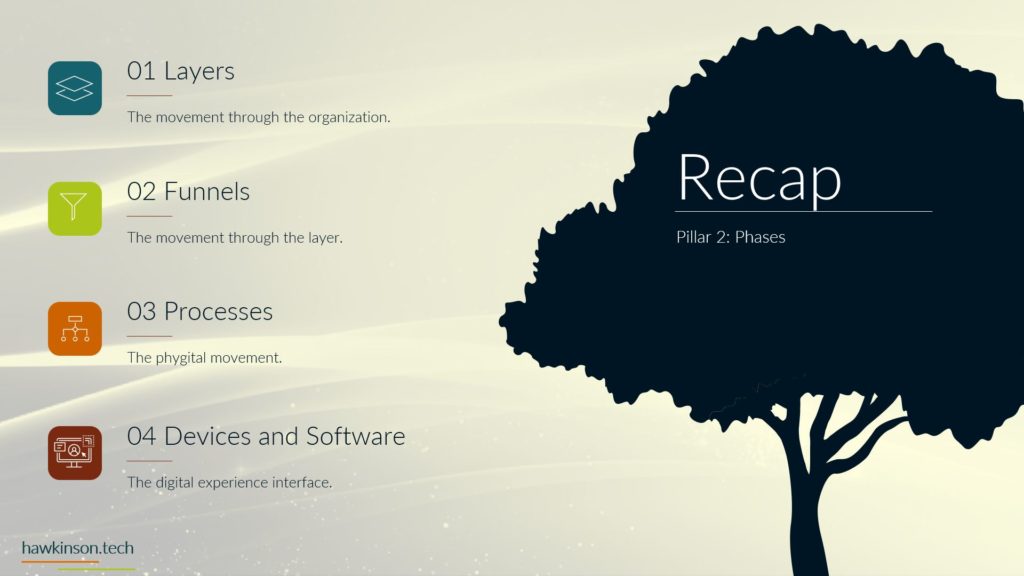
Uncover the secrets to mastering the digital experience in the fast-paced digital landscape. Explore the phases and layers of the digital organization, guiding stakeholders through seamless funnels and processes. From inward movement to outward transitions, understand

In this article, we’ll explore the various processes involved in email marketing automation, the tools available to marketers, and the steps to take when choosing the right tool for your business.