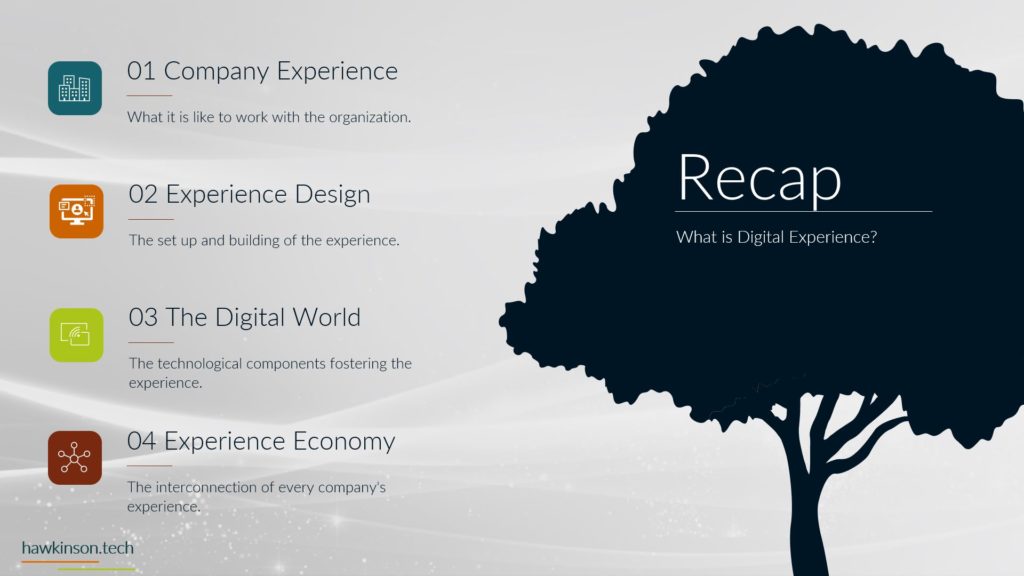
Here we recap the information presented in pillar 2.
Digital Experience | Pillar 2 Phases | Lesson Recap
Follow Me Elsewhere:
Play Video
Play Video
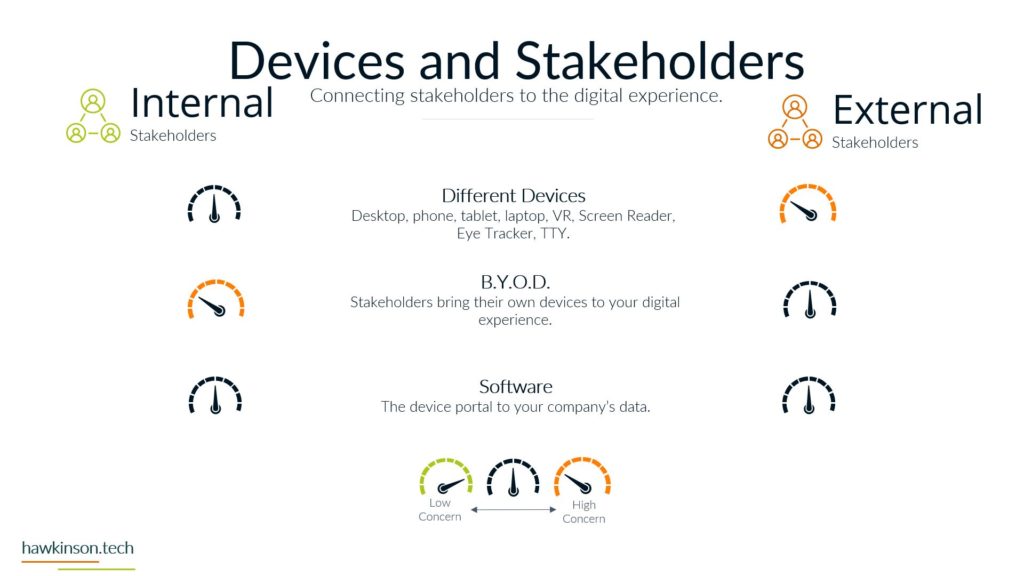
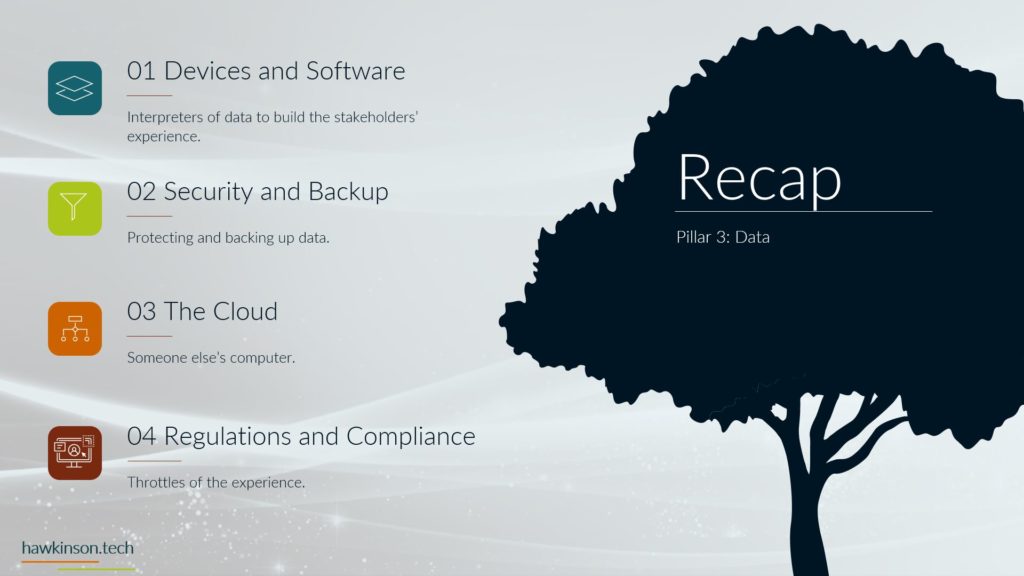
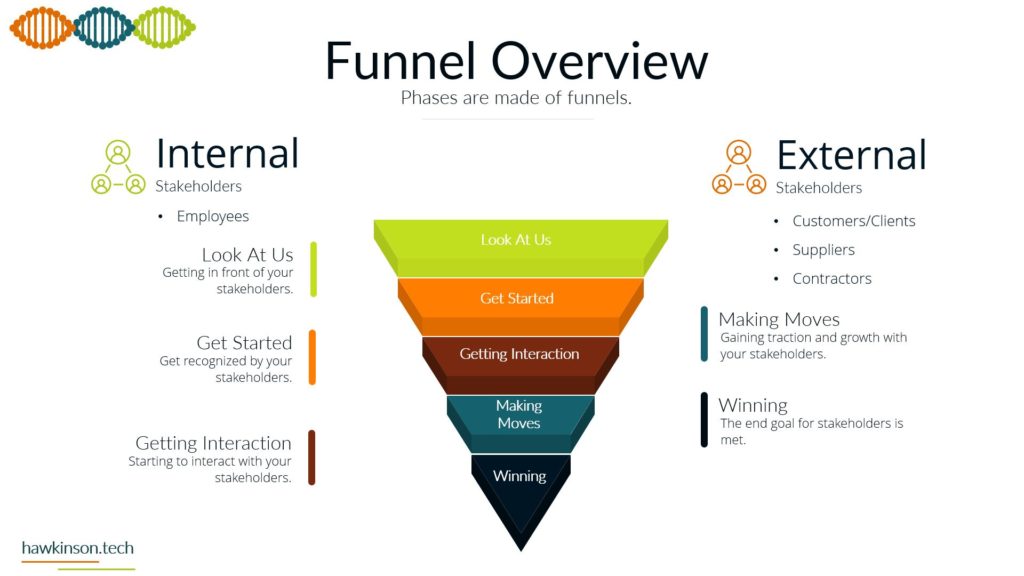
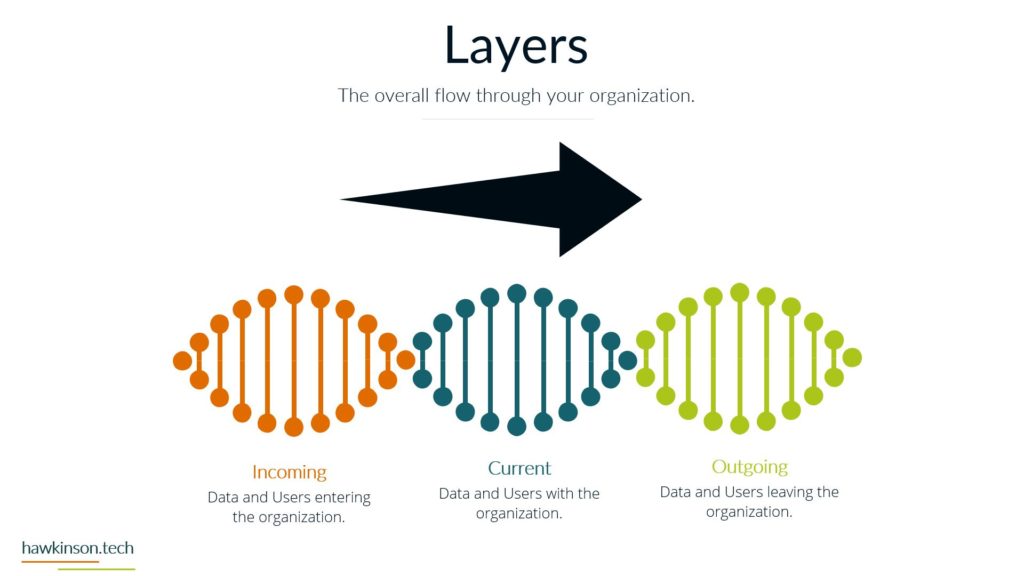
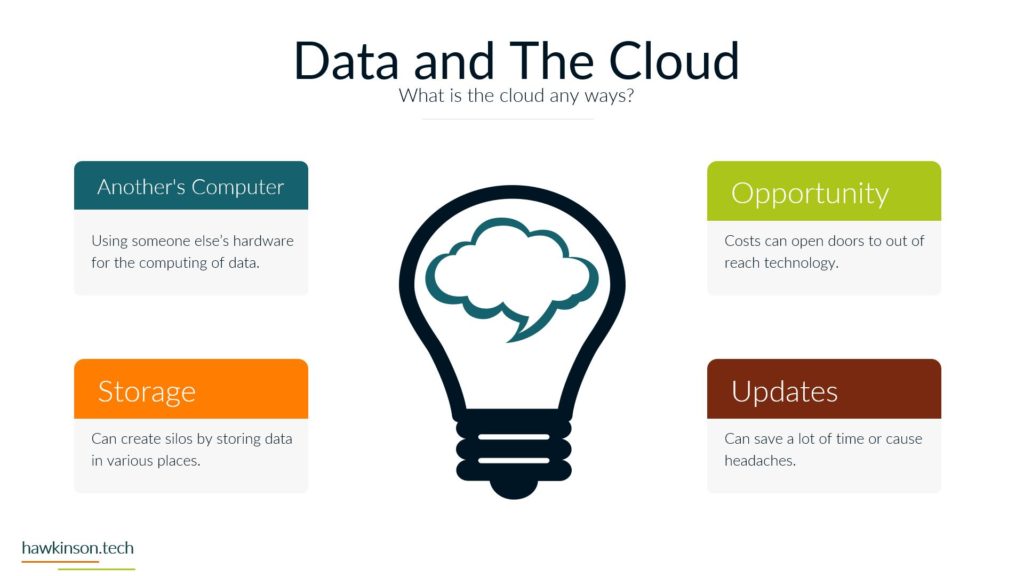
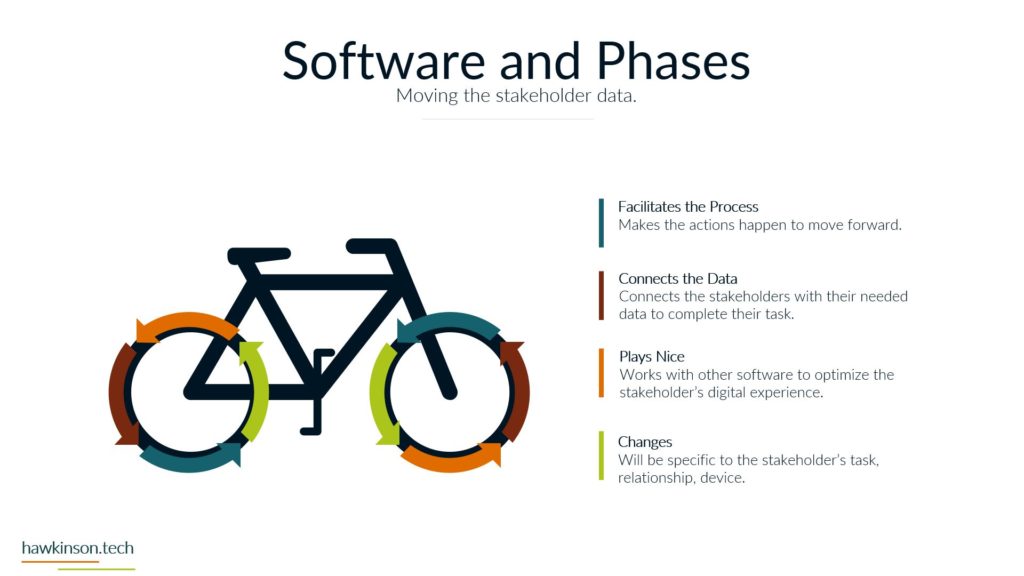
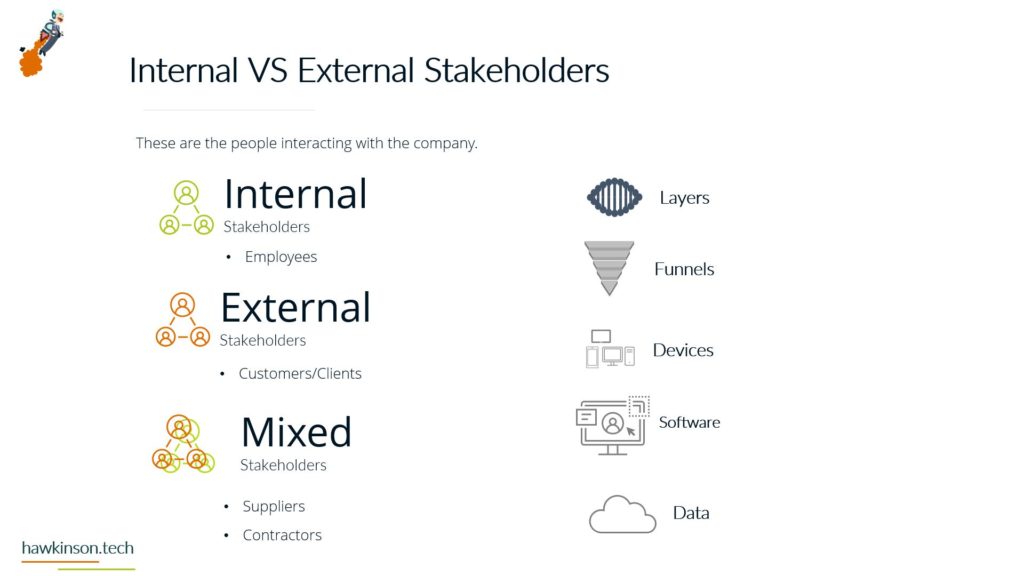
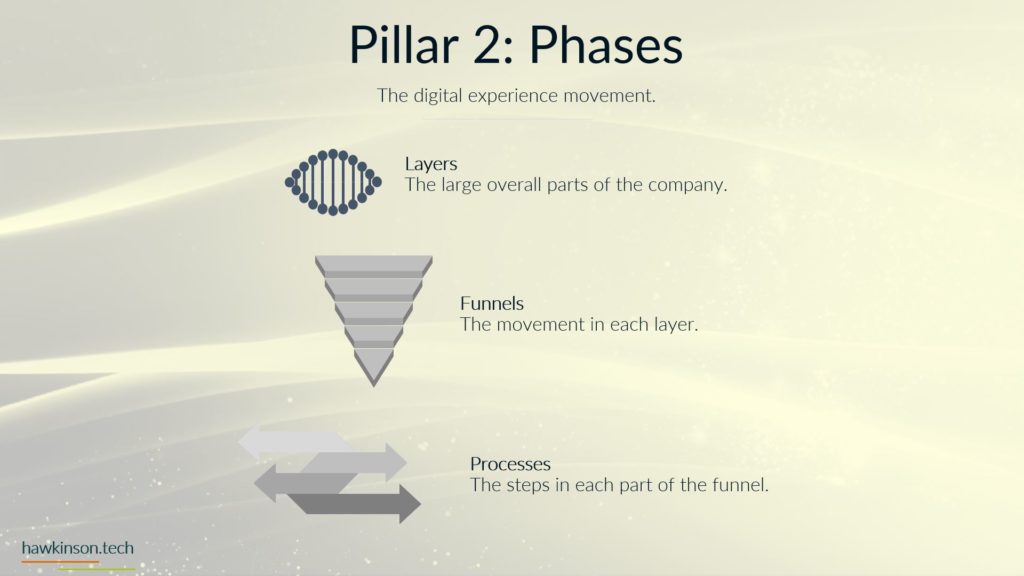
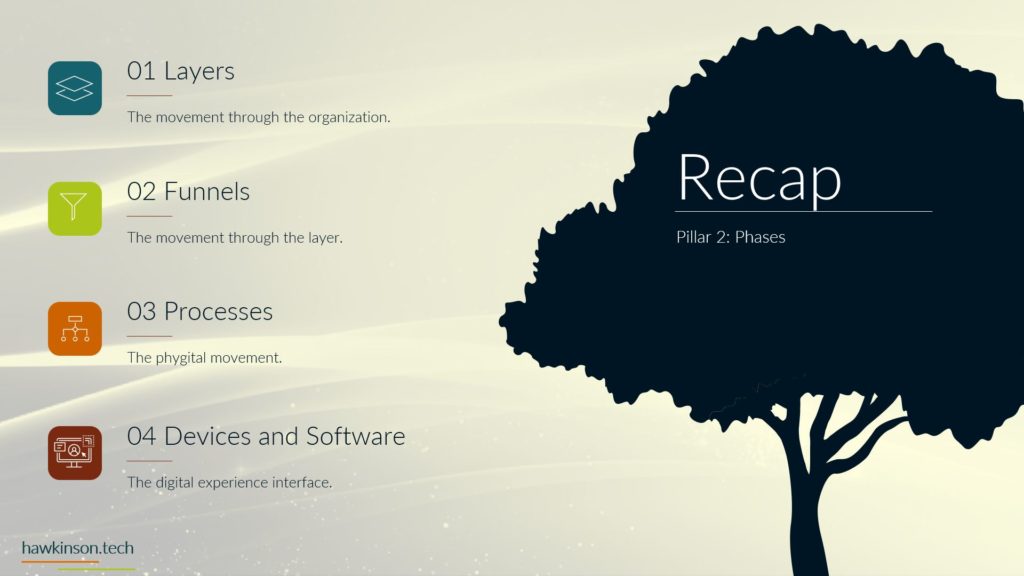
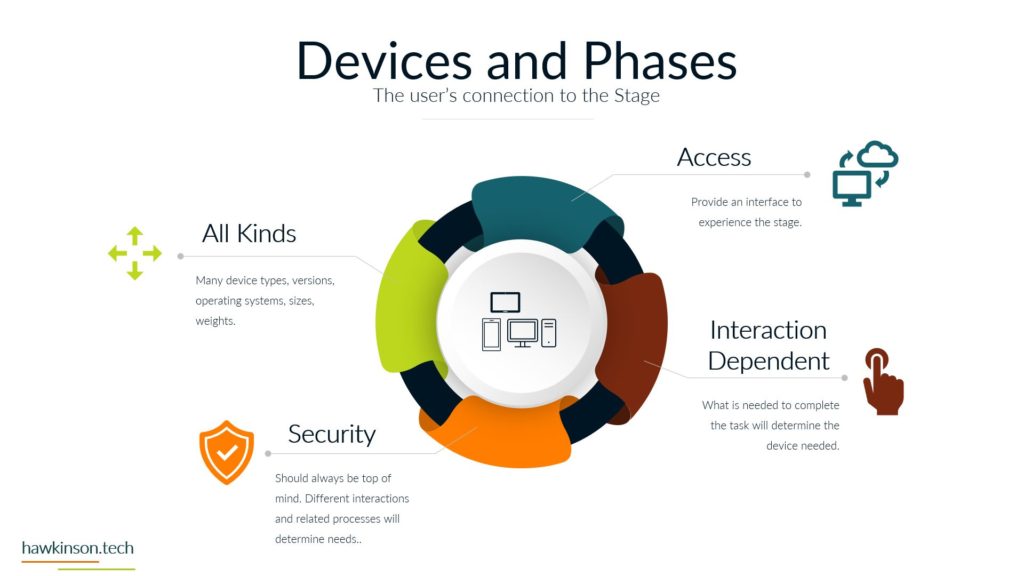
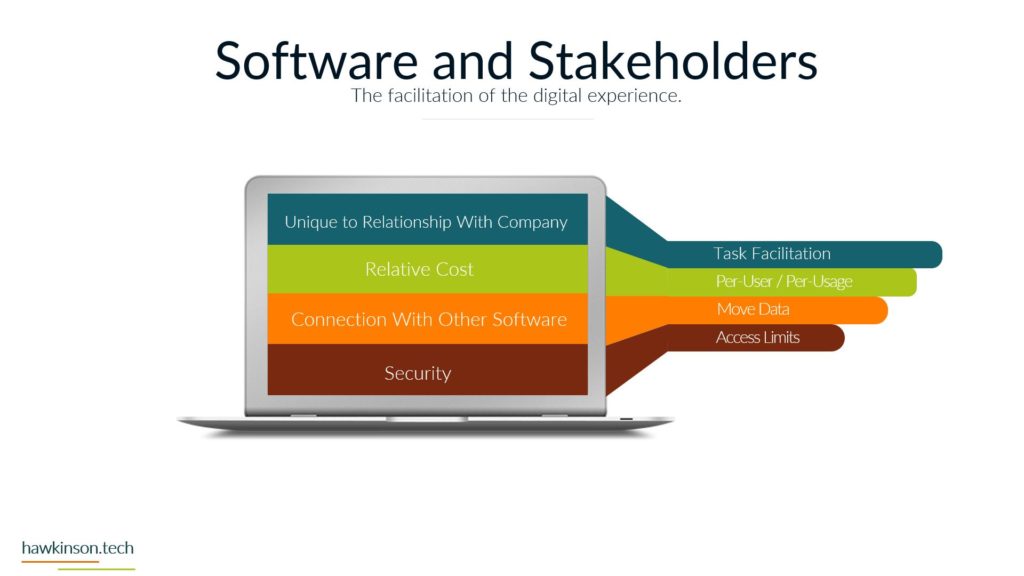
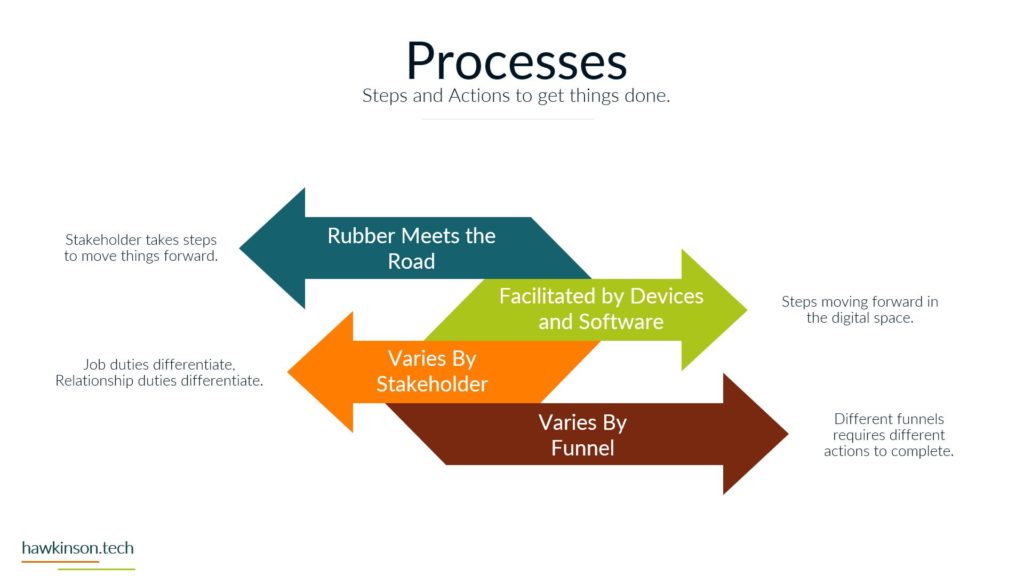
So let’s recap this section and then we will move on to the third pillar on data. So in this section on our phases, the first thing we talked about was the layers. So we talked about three different layers for the company or the organization. So our incoming or current and outgoing. Then we talked about how in each of those layers are funnels and that those funnels. Allow for movement through the layer and then we could take each of those funnels and we can break the steps down of those funnels into processes. And here we’re labeling that as a fidgeter process because we’re looking at taking something physical and replicating it in a digital world. And then the last thing we talked about were the devices and the software and some things to look out for when looking at phases and how devices and software. Fit into those phases. So for this section, the next steps. Are one. Go through and list the funnels. So looking at the digital experience matrix, run through and list all of the funnels that you can think of and lay them out for your organization. After you’ve listed the funnels, then go through the reflection and there’s some things that you can reflect on, on what we have covered in order to apply it to your organization. And then once you are done with that, we will move on to pillar three and start talking about data.
Related Content

More Content

Would you like to know what are the critical parts of eCommerce platforms? You can read on to explore the essential factors before buying an eCommerce site.


Email marketing offers businesses increased reach and engagement, making it a powerful tool for driving growth. With email campaigns, businesses can reach a wide audience globally, achieve higher open and click-through rates, and personalize their messages
Running a website is a task that requires time, knowledge, and experience. However, business owners can hand over the task to WordPress managed hosting providers.

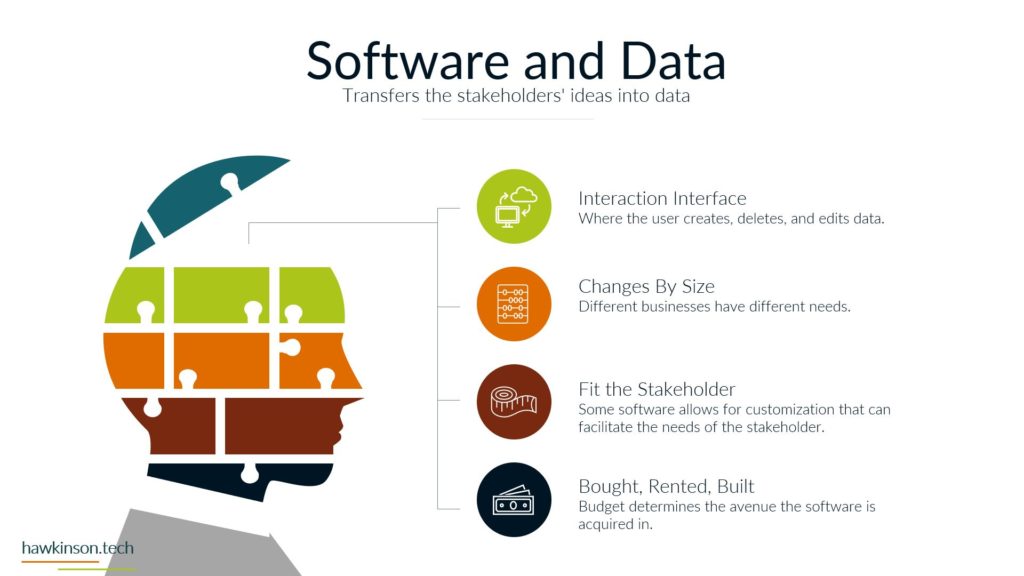
Explore the profound impact of software on digital experiences in this comprehensive article. From data access to process facilitation and user interfaces, software plays a pivotal role in shaping transformative experiences for businesses and stakeholders. Discover


If you want to take full advantage of SEO, you must learn and use keywords effectively. Here are 4 types of keywords you should know and use.


Uncover the transformative fusion of company experience and the digital world. Delve into the intricacies of this convergence, exploring its immense potential for organizations. Discover the influence of geolocation, societal norms, and stakeholder dynamics on company

Join us on a journey through the digital landscape as we explore the pivotal role of software in shaping transformative digital experiences. From acting as an interaction interface to custom-built solutions, software is the invisible bridge