Introduction video to stakeholders or users in a digital experience.
Digital Experience | Pillar 1 Stakeholders | Lesson Introduction
Follow Me Elsewhere:
Play Video
Play Video
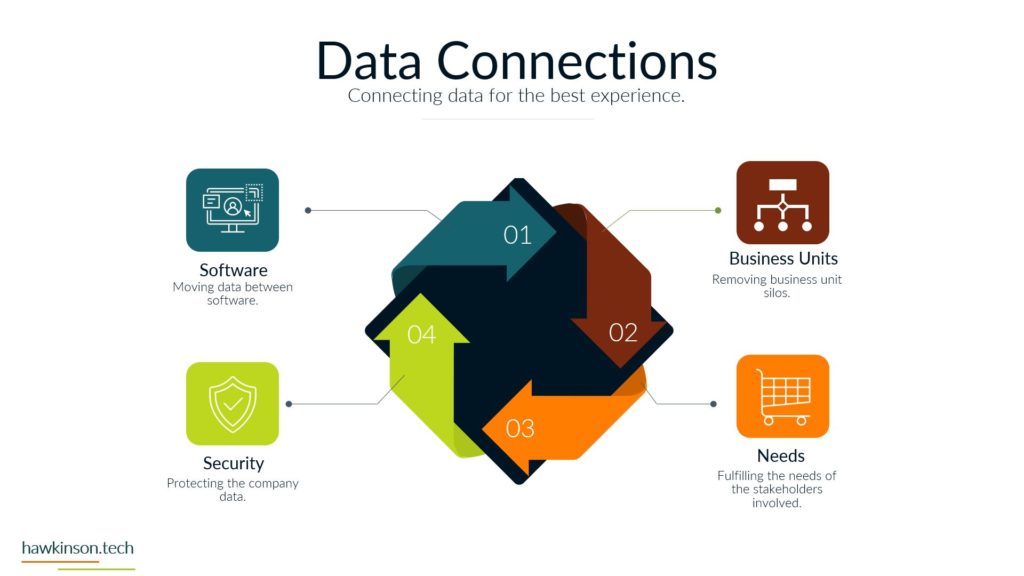
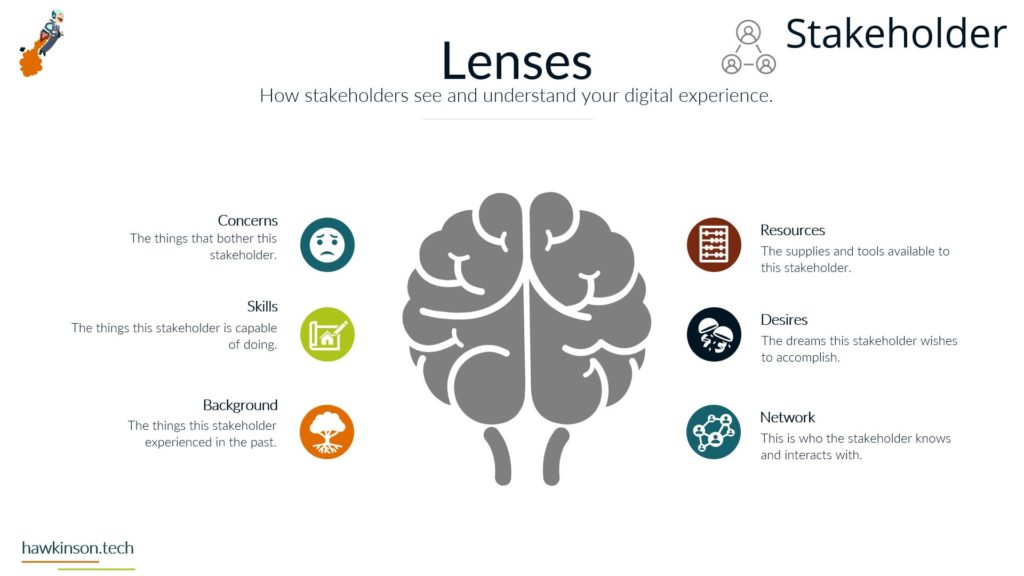
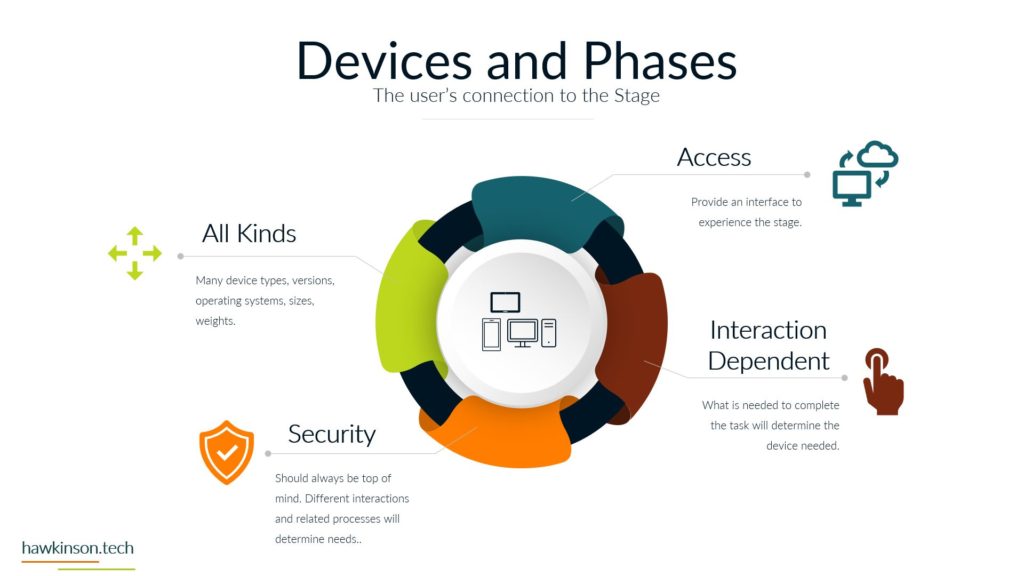
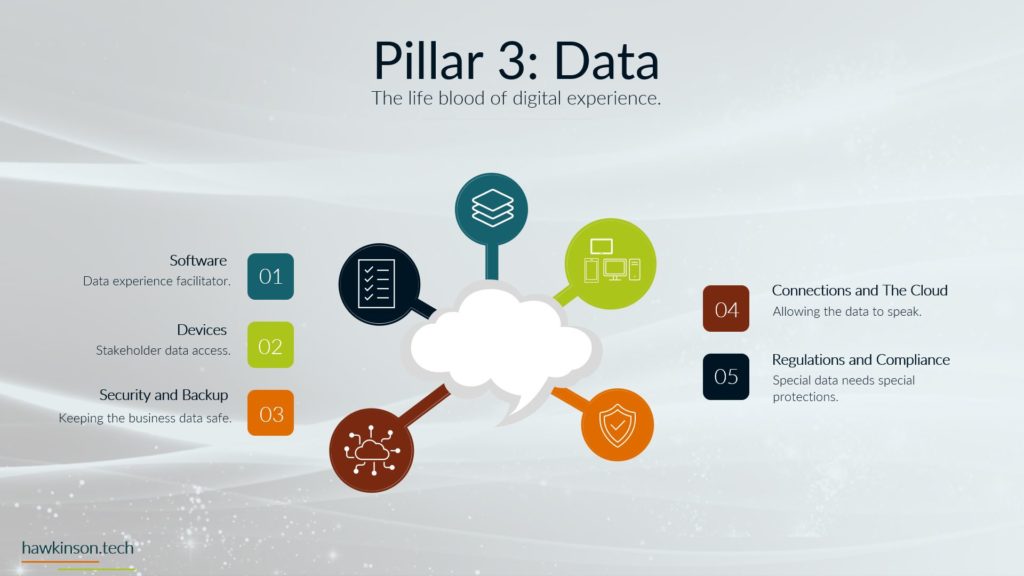
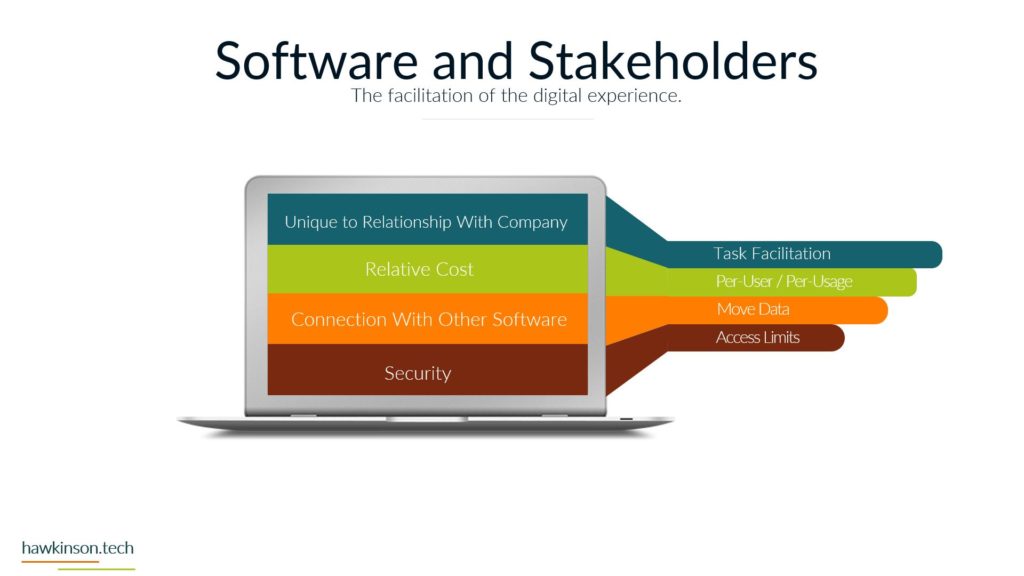
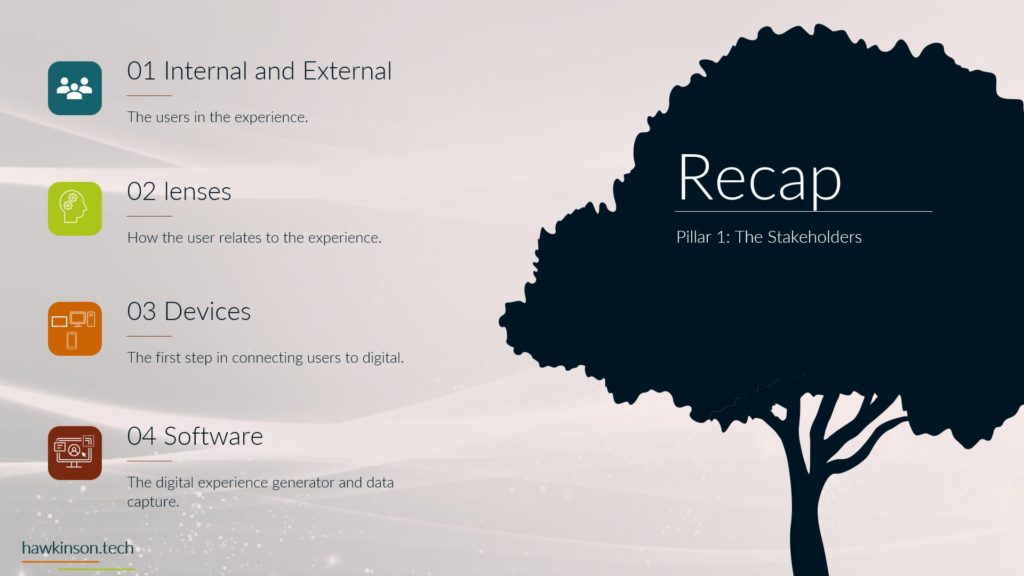
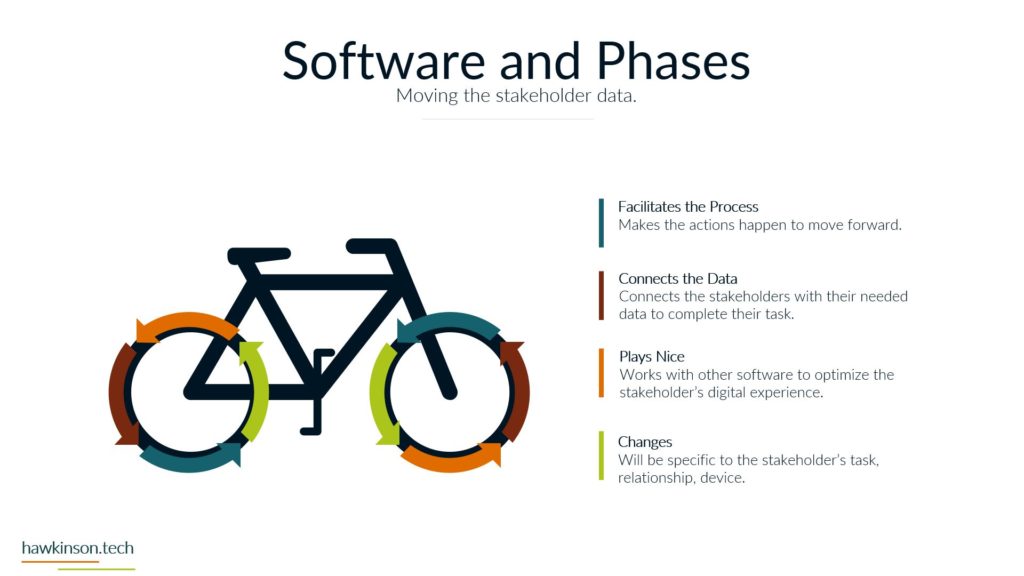
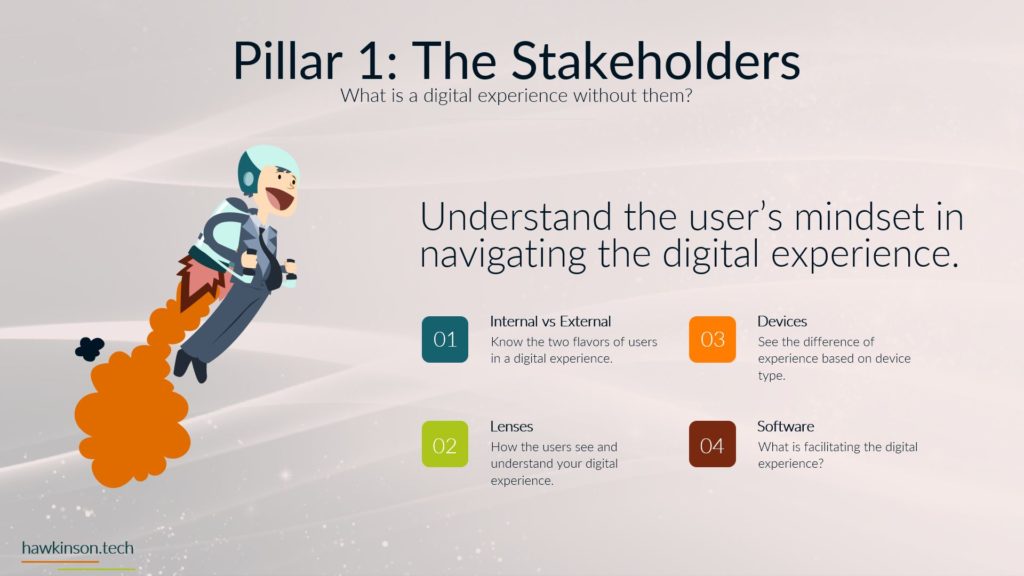
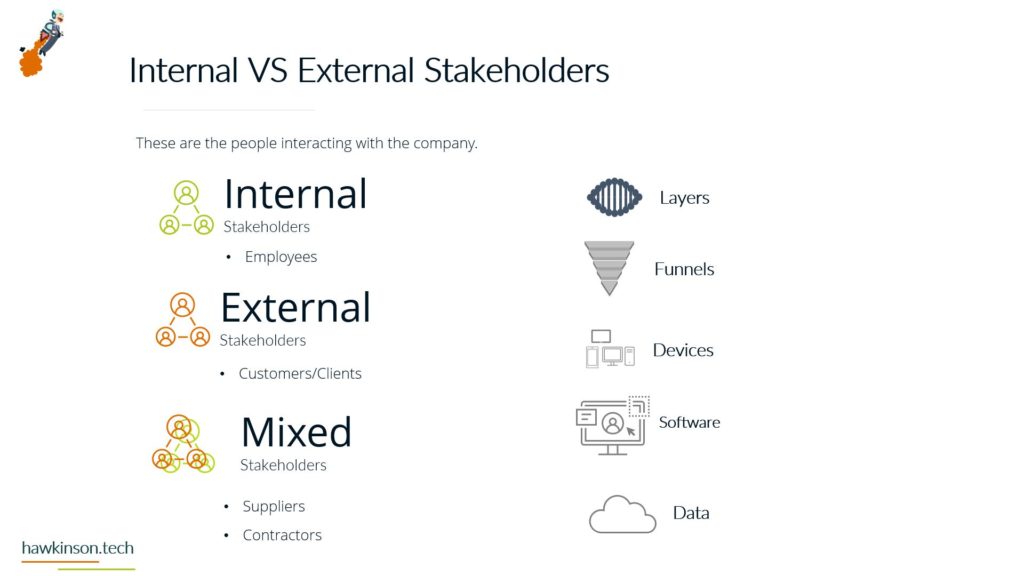
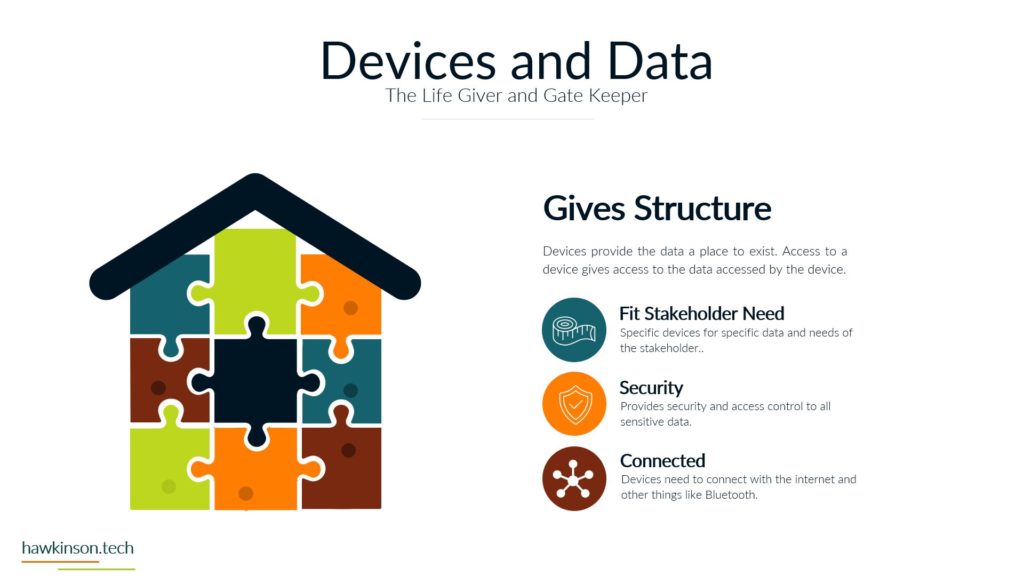
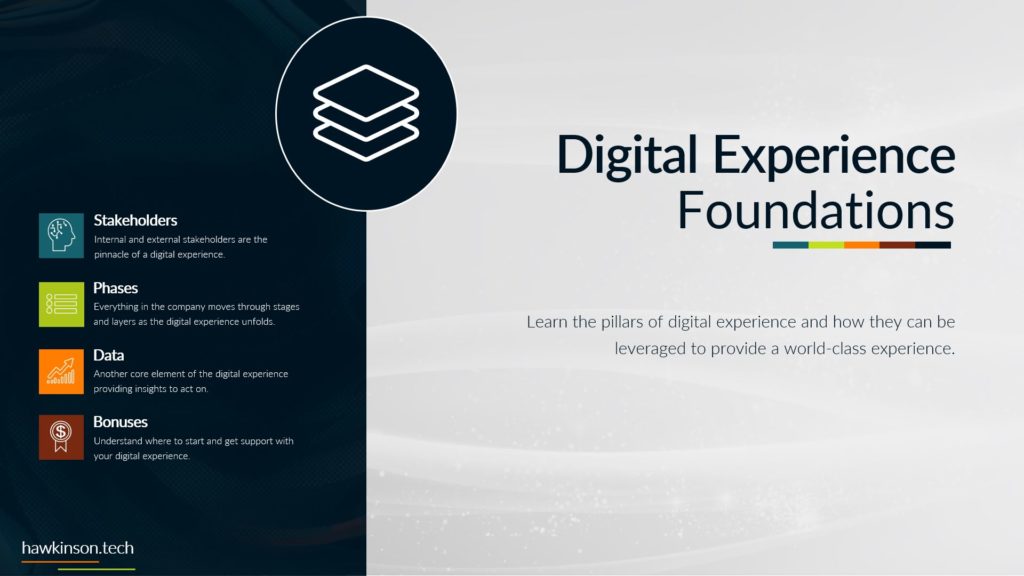
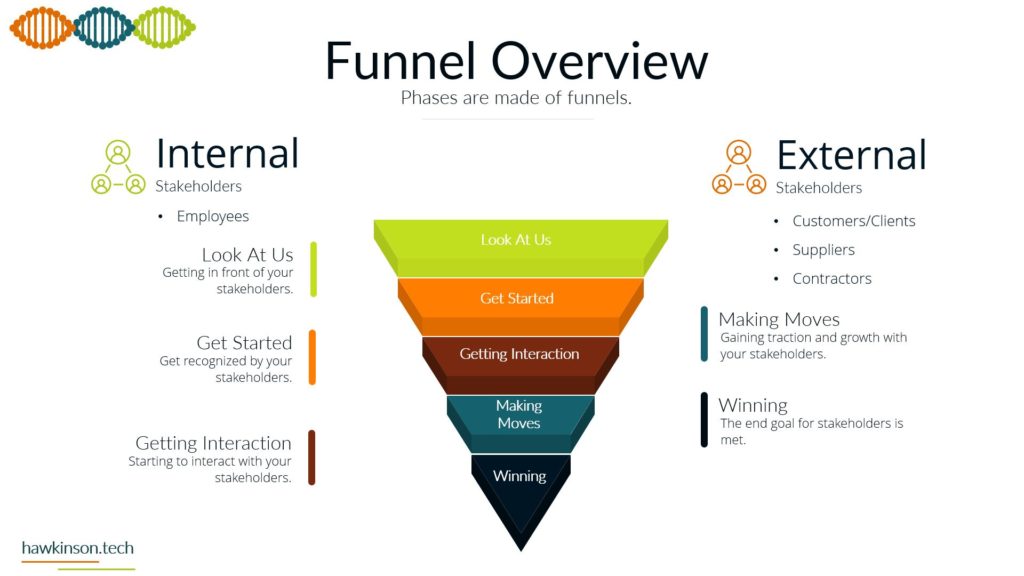
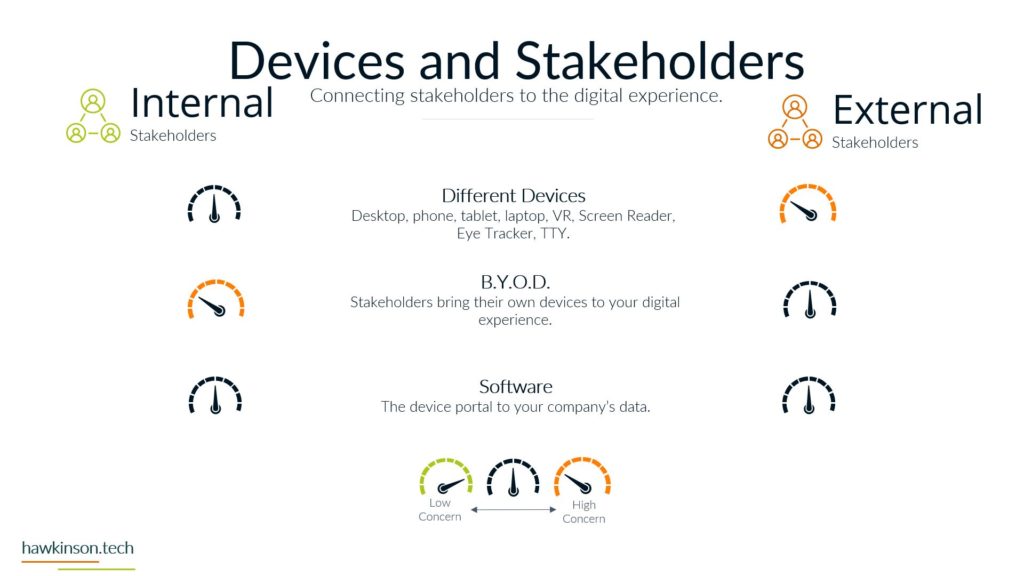
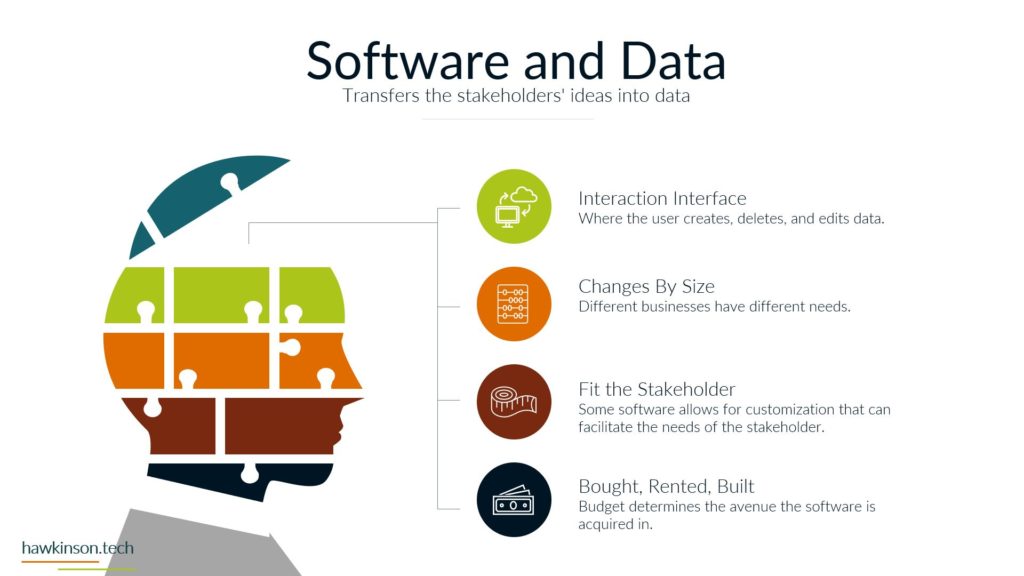
Hey, everyone, welcome back. So we’re going to continue on our journey. Now we’re going to dive into the stakeholders and we’re going to look at the different users and how they relate to the experience that we’re creating. Stakeholders are a massive part of any type of company experience right now, if you haven’t figured it out any person. Is one of the most valuable assets to a company. Companies only exist because of people. If we as a company are not doing what it takes to get people to properly want to buy from us, to work with us, then it’s going to be very hard for the company to succeed. If we provide an experience that doesn’t encourage people to want to work with the company as employees or contractors, then it’s going to be very hard to grow the company and to keep people. Engaged with the company. So with that, let’s look into the different stakeholders and some of the things that we’re going to discuss. So one of the first things that we’ll look at with our stakeholders is internal versus external stakeholders. See, every company has to deal with people. Some people work inside with the company. So these could be like things like sales reps or our support reps all the way up to executives and the CEO. Then we have external stakeholders which are going to be people. That are buying from us or wanting to come and work with us in some capacity where they’re not employed by the company. In this realm we also have our suppliers which can kind of sit intermediary depending on the architecture of the company. Some suppliers may be very ingrained with the company. Other suppliers may work outside of the company but still interact with internal stakeholders. So we kind of have a mixture there of different kinds of people and the way that they interact with the organization. After that, we’re going to talk about the lenses. Lenses are all about people’s thoughts. This is what people think about and how they’re interacting with the company. You see, each person that comes in contact with the company has a set of what are called heuristics. These heuristics is in their minds eye, all of the different ideals and thoughts around a particular subject. So they have different ways that they see, feel, and think about the things that they’re experiencing with the organization. Depending on their lens and how they’re relating to the company is going to give them a different experience with the company and how they subsequently react with the company. So in other words, depending on how they think is going to determine the behavior that they exemplify and what they do to work with and help the company proceed. Next we’re going to talk about devices. Stakeholders all around the company have devices. Devices aren’t just cell phones. We can have tablets that might be used for. Very specific processes. We might also have desktop computers that allow us to do other types of processes. Then depending on somebody’s job and what they need to do for the organization also determines their device. For example, if we wanted to get very granular, somebody who’s on the dev team or on the development team and the company may have a very, very extraordinary, very powerful device, whereas somebody that’s on our sales part of the organization may have more of a basic device. Mostly because that’s they don’t need what the developer needs. They have different expectations, different lenses and different relationships with the company. So after we talk about devices, then we’re going to go in and we’ll talk about software. Software we’ll get into is a very unique part of experience. And with our digital side, it’s what we use to move software, to move data around to determine what it is that users are going to use or how they’re going to interact with the company or how we’re going to move that data. For a user in the company. So with that, let’s go ahead and move into our first section.
Related Content

More Content

Gain insights into the pivotal role of stakeholder perspectives in shaping digital experiences. Understand the significance of stakeholders’ concerns, skills, backgrounds, resources, desires, and networks in designing effective digital interactions. Tailoring digital experiences to align with



Understand the importance of user profiles in software applications and how they enhance personalization and user experience. Learn about the features and benefits of user profile form builders, enabling businesses to collect and manage user data


Want to know more about email marketing? Discover how combining the power of email marketing with Wix can supercharge your marketing efforts.

Businesses can fully benefit from email marketing’s cost efficiency. With email marketing, businesses can reach a broad audience, deliver personalized and relevant content, advertise effectively, automate repetitive tasks, and measure the success of their campaigns. By

Create a professional and functional website with ease using online page builders. Explore factors like ease of use, customization, features, mobile responsiveness, SEO tools, support, and pricing to choose the right website builder for your needs.

Discover the power of content management solutions for your business. Effectively manage and streamline your content creation, organization, and distribution processes. Improve collaboration, enhance customer experiences, and boost productivity. Learn about the benefits, key features, and

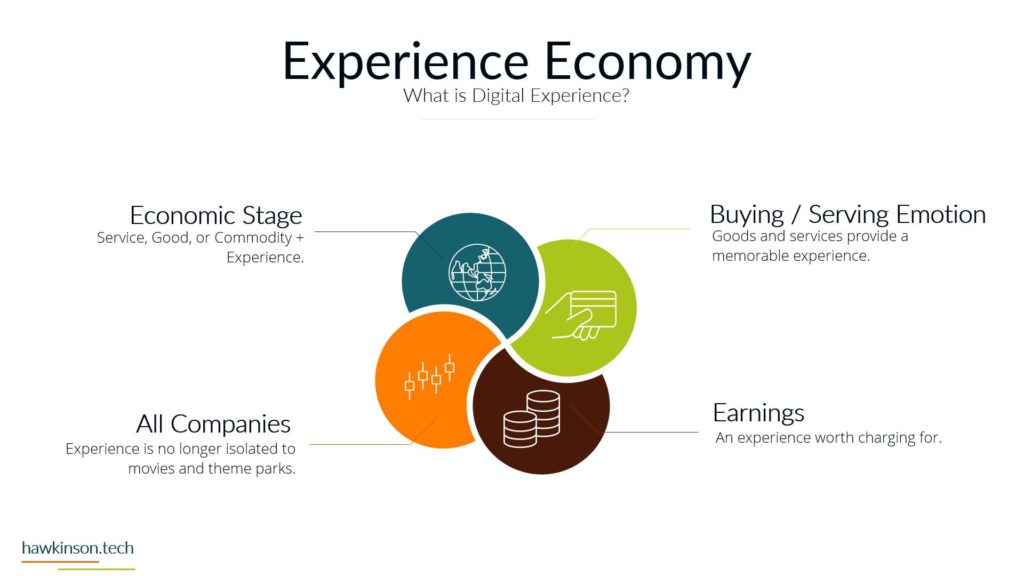
In today’s digital landscape, organizations must prioritize building exceptional experiences to compete and thrive. This article explores the concept of the experience economy, highlighting the importance of competing on experience and charging for experiences. It emphasizes