In this section, we look at various business processes and how they impact the digital experience.
Digital Experience | Pillar 2 Phases | Lesson 3 Processes
Follow Me Elsewhere:
Play Video
Play Video
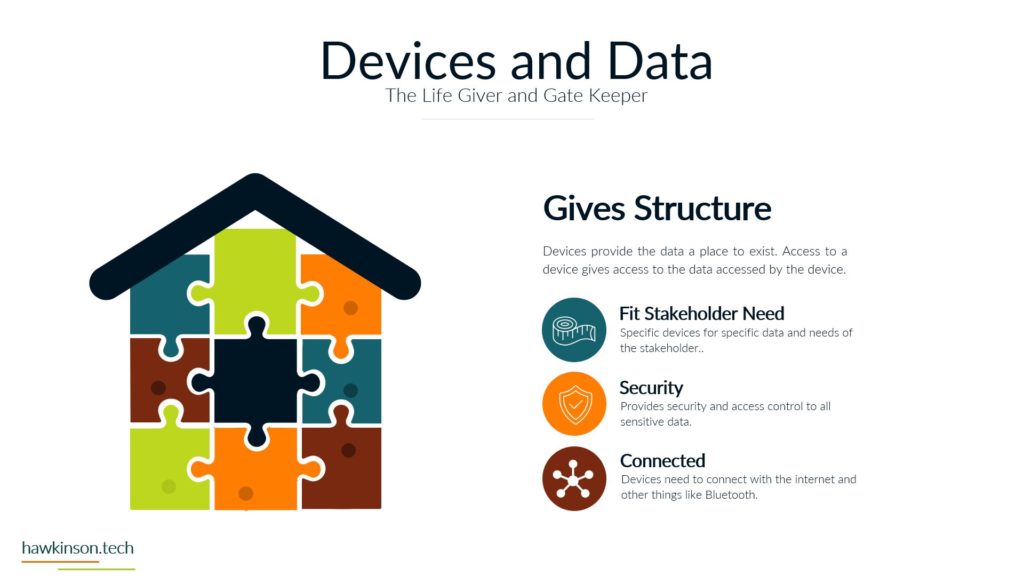
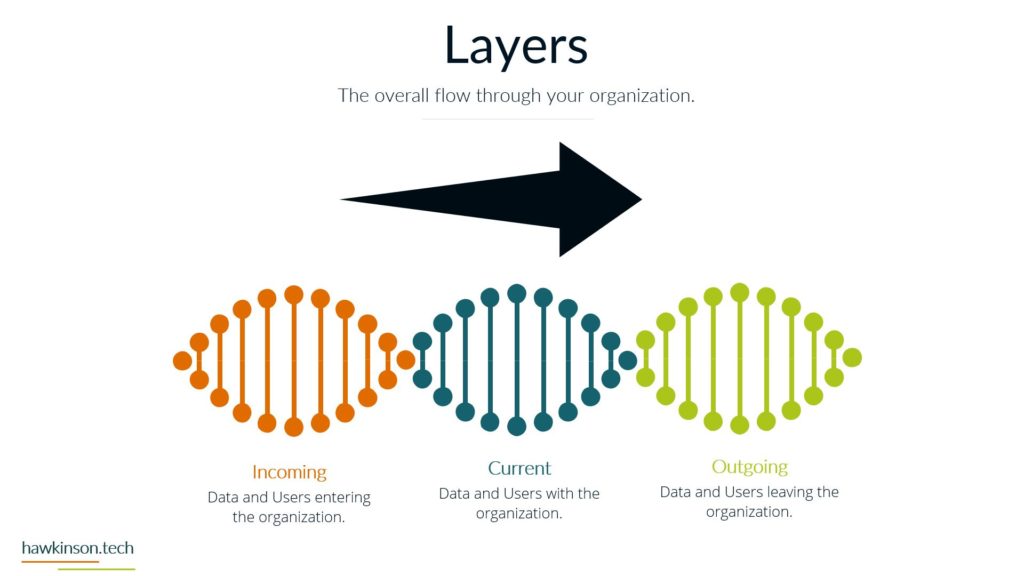
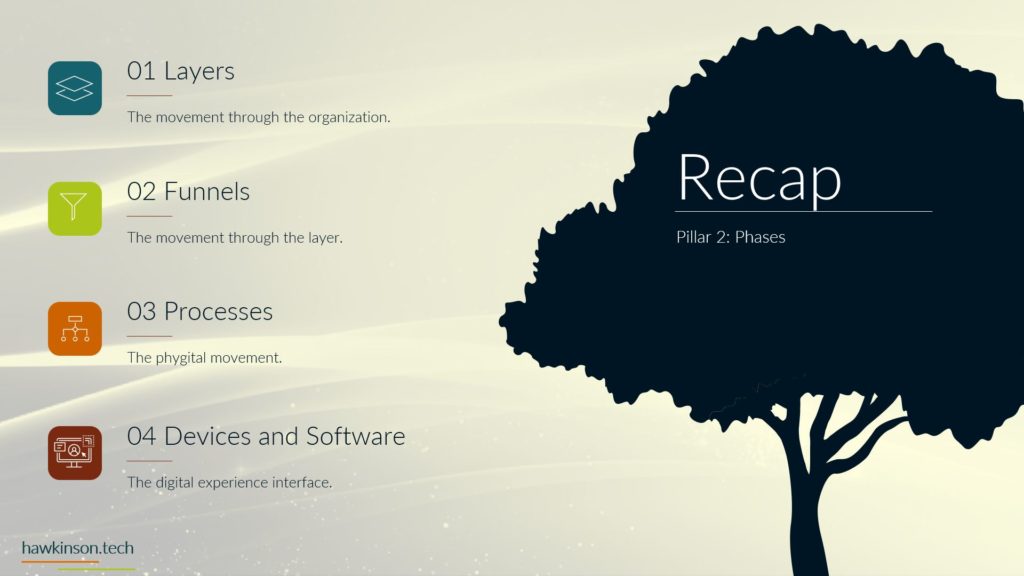
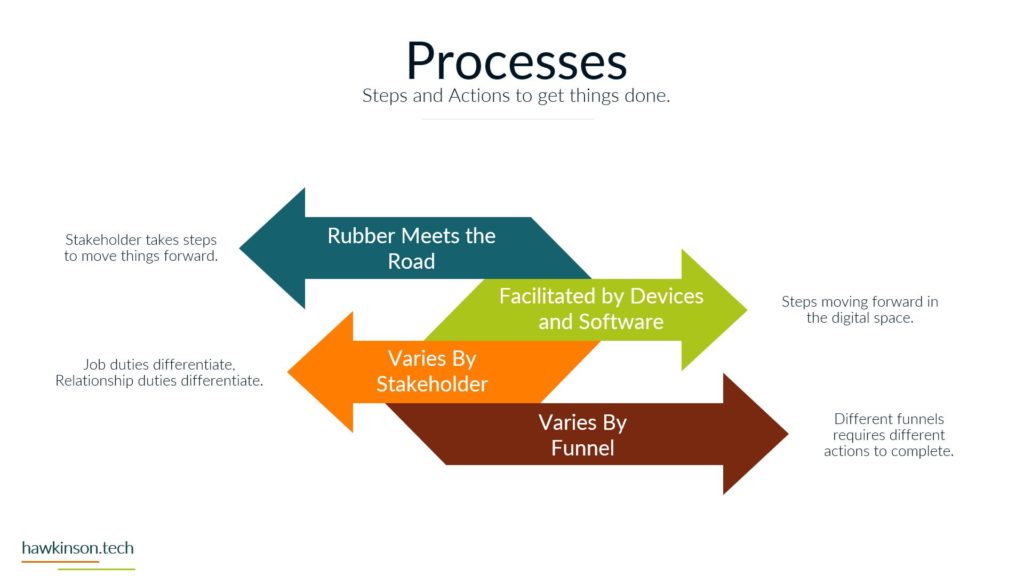
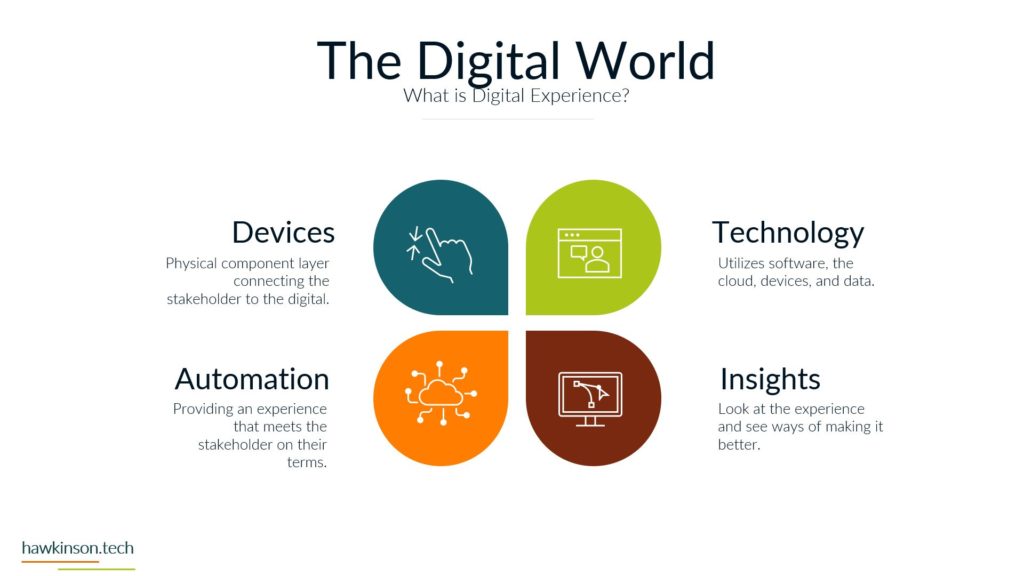
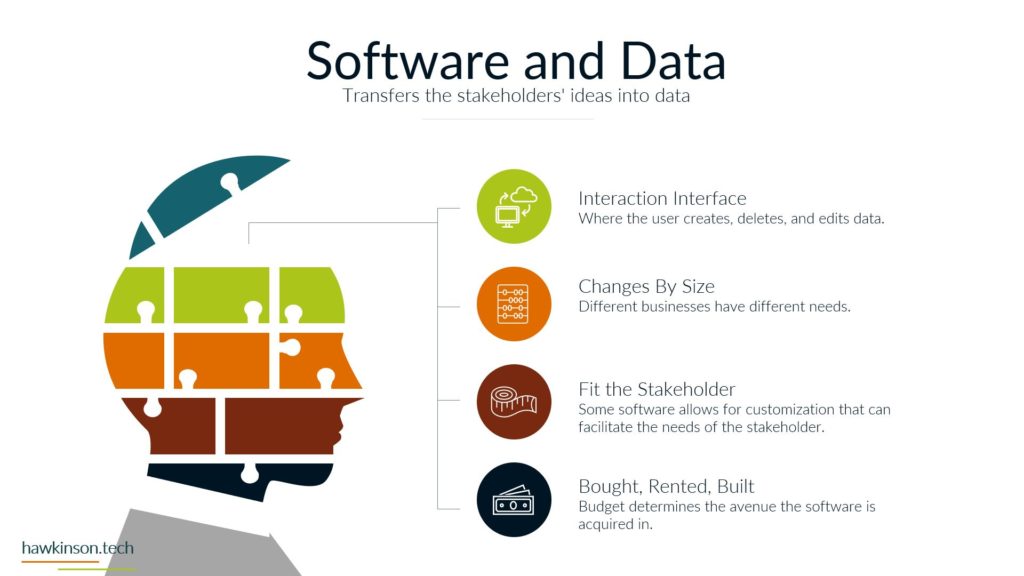
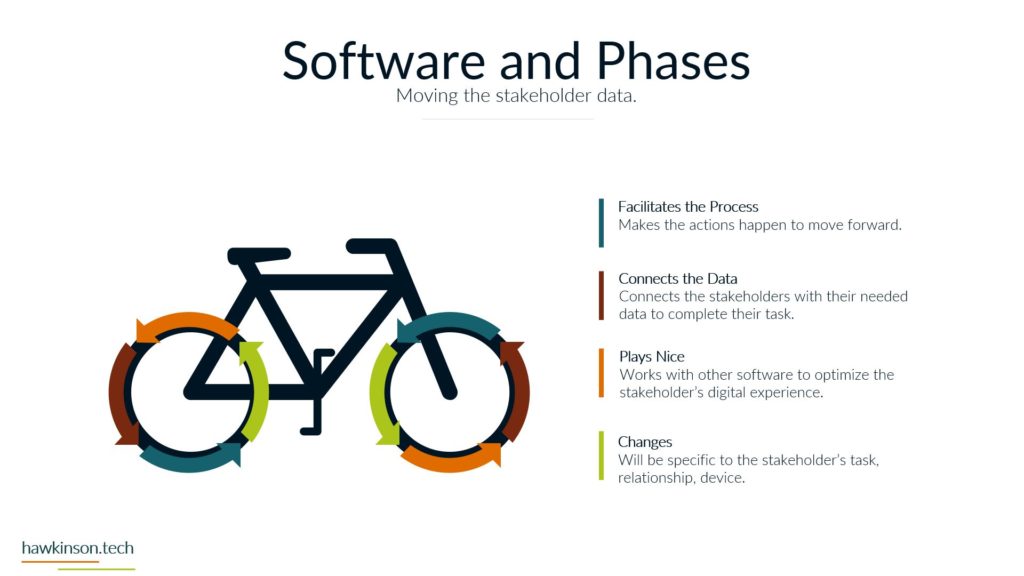
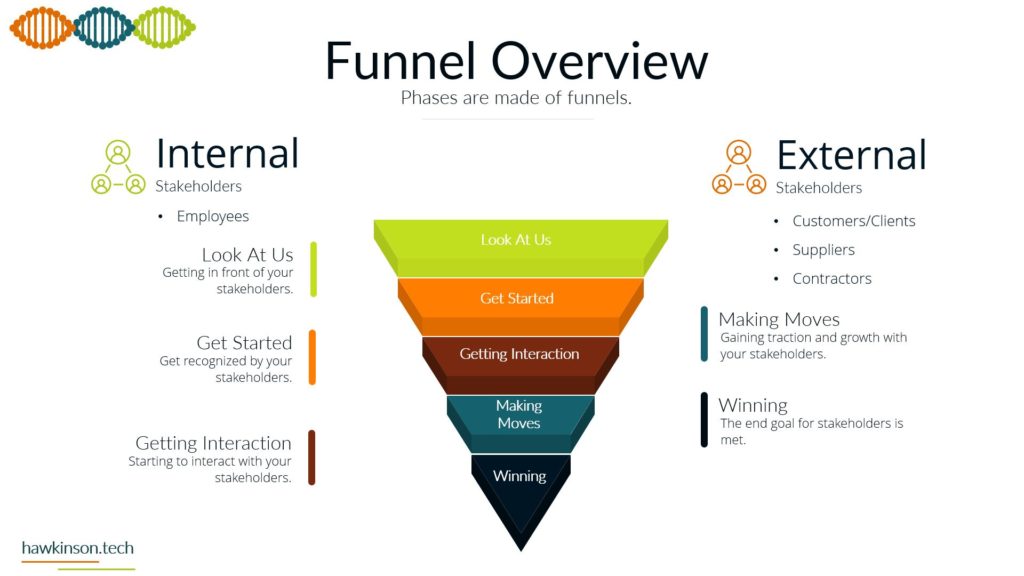
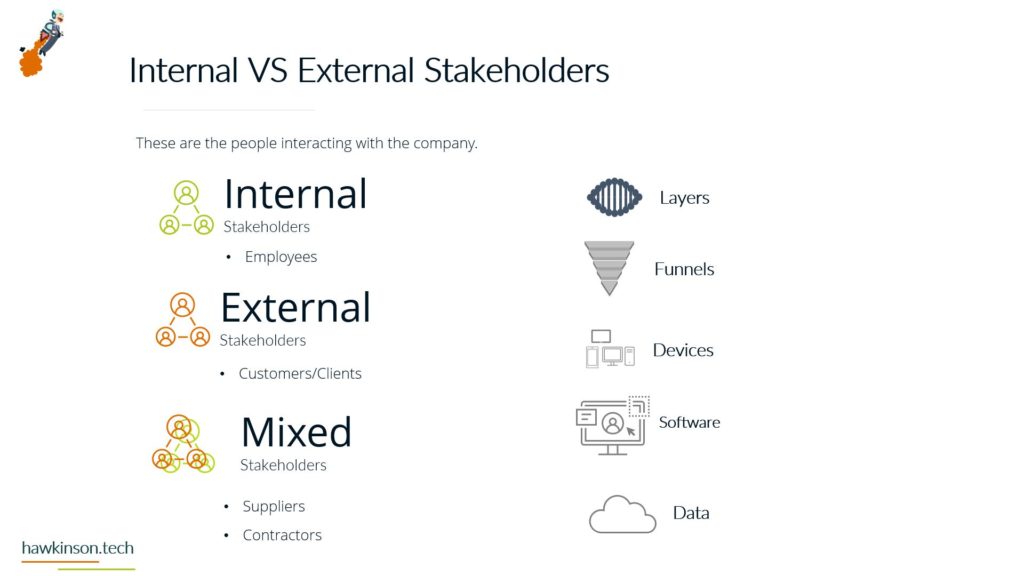
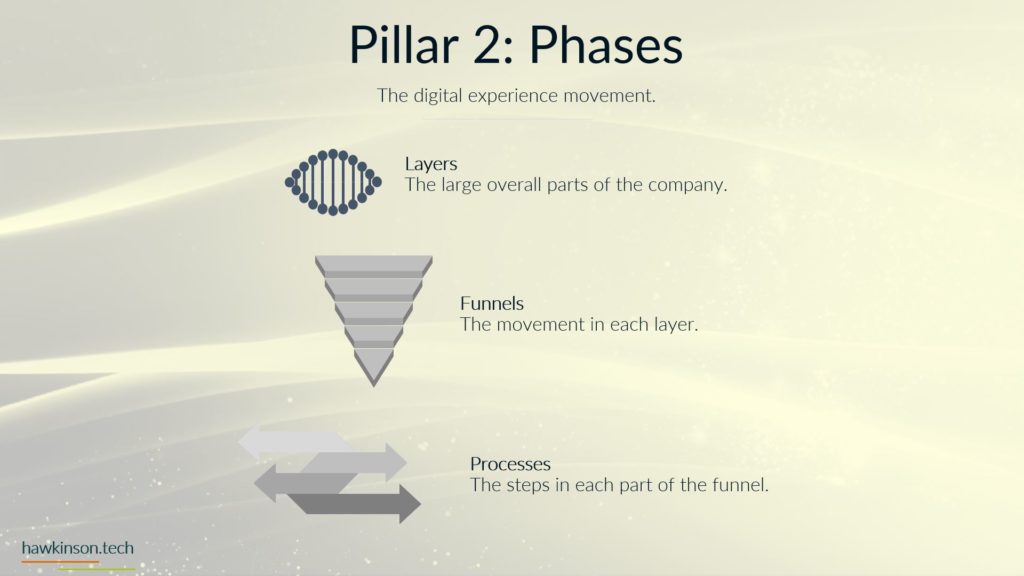
So let’s continue our conversation on the phases and funnels and break those down into the processes themselves. So in each of the funnels we had different steps and those steps can then be further broken down into a process and it’s in these processes where effectively the rubber meets the road. This is where the stakeholders. Are actually taking action. So we have internal stakeholders that might be processing something to help the company move forward. Likewise, we might have external stakeholders that need to engage in some behavior in order to move forward with the company. But effectively the process is allowing us to make those steps happen and outline what needs to take place in order for that process to be completed in a digital world. And that process is going to be facilitated and tied into devices and software. And essentially it’s those components, the devices and software that will allow the process to move forward in a digital space. It’s going to be tied into the data. And then the data is what we’re going to have on the back end that will allow us to kind of look at the process and what’s happening and then the software and the device provide a nice way to interact with that medium. The processes are going to vary based on the stakeholder. For example, even internal stakeholders with different jobs will have different processes. So if we look at a sales process for example, or a sales funnel, the sales Rep is going to have one set of steps and processes that they need to take to work with that client in order to make the purchase happen and to make things move forward once that process. Takes place, then there’s likely other stakeholders, say warehouse workers or inventory workers that then need to go and compile all of the different components in order to fulfill that purchase. And so we have one process leading into another one where we have different stakeholders participating in different processes in order to help the company reach the same goal, in this case a successful sale. Likewise, we can also have the processes. Differentiate based on the funnel. So for example, as we saw before, internal and external stakeholders have different funnels that they’re going to work through as they work with the company, those different funnels that have different steps and actions that need to be completed. And so just by the nature of the funnel and its position with the company is going to impact how it is that people take steps to move forward with that. So essentially, the processes are what we need in the funnels in order to make the steps happen to make the stakeholders move from point A to point B. They work through the layers of the company, then through the steps in the funnel and then through each of the different processes in those steps in order to reach an end goal. So next we’ll talk about how devices can also play into these different phases.
Related Content

More Content

Content marketing involves writing and designing content to stand out from competitors. Read here to learn about the best tools for designing content.

Want to know more about email marketing? Discover how combining the power of email marketing with Wix can supercharge your marketing efforts.


Content Management System (CMS) is like a Swiss Army Knife for your website. It can help you easily manage your website content, ensuring it looks great and runs smoothly. You never have to worry about getting
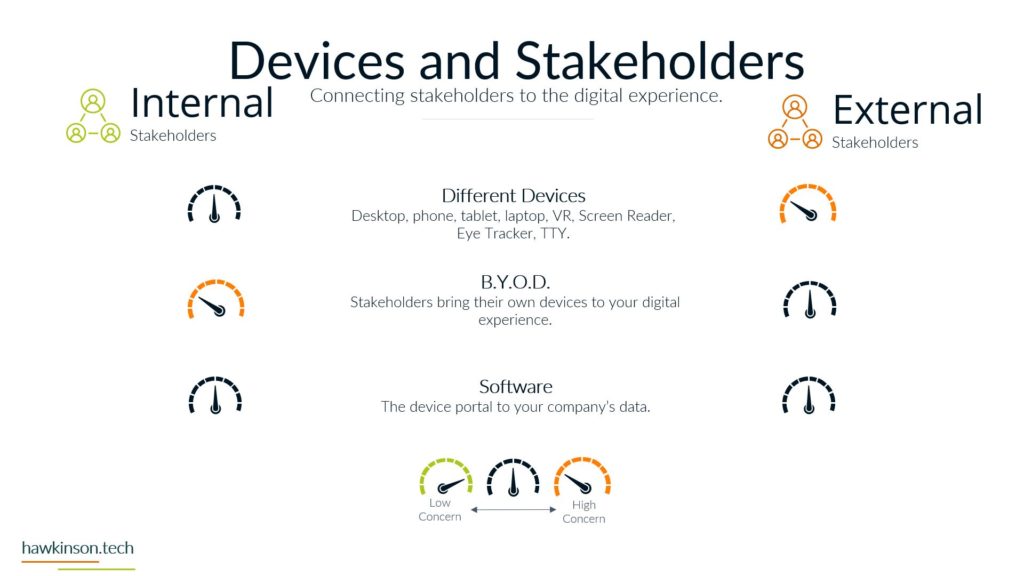
Explore the interplay between stakeholders and devices in the dynamic digital experience landscape. Discover how different devices shape user experiences and interactions. Understand the needs of internal and external stakeholders in the digital realm and navigate

Messaging applications are becoming increasingly popular for personal as well as business use. These apps have various features that allow messages to be sent quickly and securely, making them perfect for collaboration. Features like group messaging,

Discover why email marketing is essential for small businesses. Learn about the advantages of direct access to your audience’s inbox, cost-effectiveness, and the power of personalized content. Get tips on focusing on the quality of your

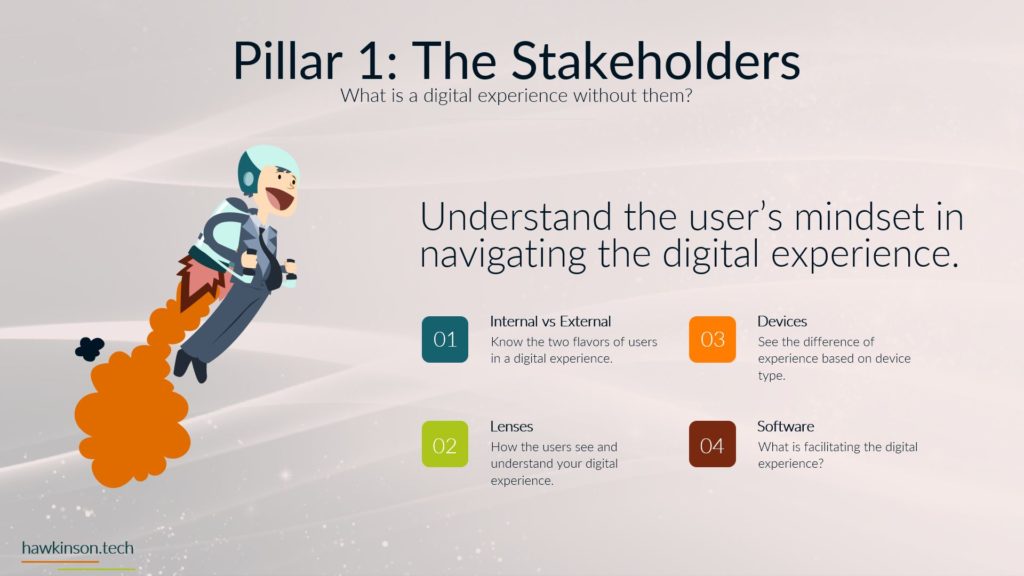
Explore the critical role of stakeholders in shaping a company’s digital experience. Understand internal and external stakeholders, navigate mixed stakeholder relationships, map stakeholder journeys, optimize device interactions, leverage software effectively, and harness the power of data.
Email marketing tools and software have become the new norm for all businesses today. Here are the essential qualities you should look for in your chosen tool!

Marketing Manager Software helps businesses create successful marketing campaigns and projects. It automates tedious tasks and helps streamline complex processes, allowing you to focus on the creative side of your marketing strategy. With this software, you
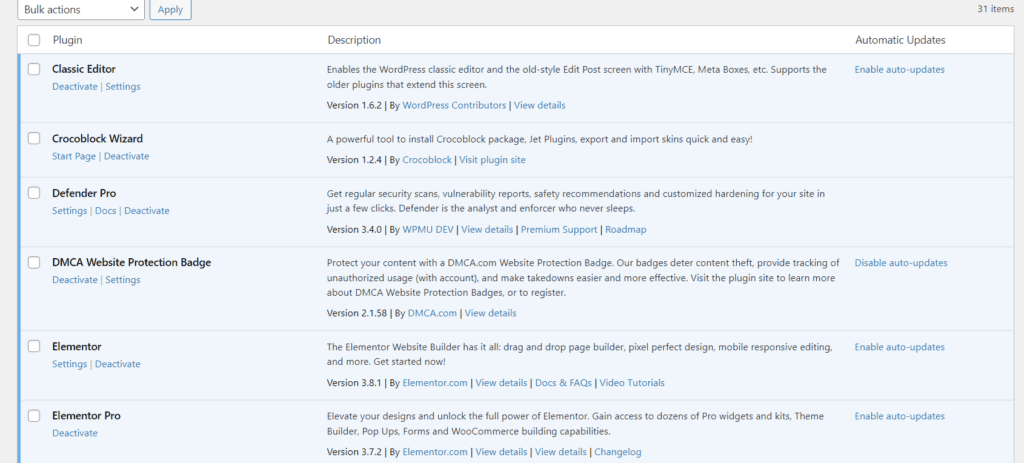
Use this guide to walk through installing a plugin in WordPress. It covers the steps to install a plugin file from a third party and those found in the plugin repository.